How to Choose the Best Small Motor for Your Project?
Choosing the right small motor for your project can be a daunting task. The array of options can be overwhelming. Understanding your specific needs is crucial. Every project varies, so what works for one may not work for another.
A small motor serves diverse applications, from robotics to home appliances. Consider horsepower, torque, and voltage before making a decision. Many overlook these factors and regret their choices later. A small motor with insufficient power can hinder your project's success.
Take the time to research. Engage with experts and read reviews. Your project deserves the best small motor available. Don't rush the process; quality often comes with patience. Selecting a small motor is not just a choice; it's an investment in your project's potential.
Understanding the Types of Small Motors Available for Various Applications
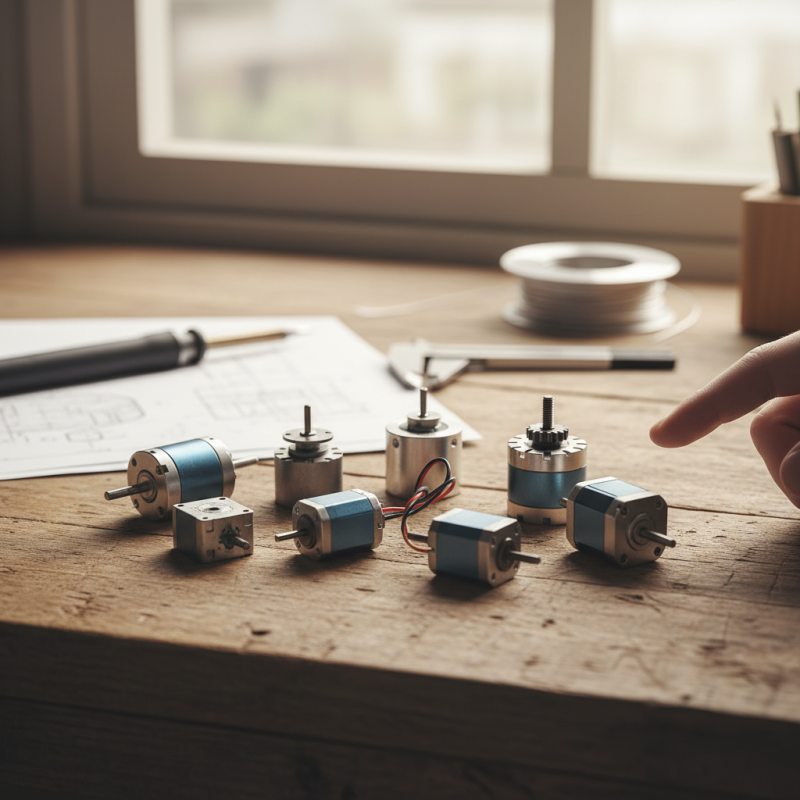
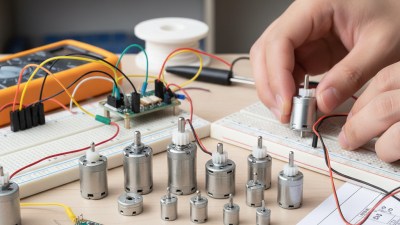
When selecting a small motor, it's important to understand the various types available. There are brushed and brushless DC motors, each serving different purposes. Brushed motors are simple and cost-effective, ideal for applications requiring straightforward control. They do, however, have a shorter lifespan due to wear on the brushes. In contrast, brushless motors offer higher efficiency and longer service life, making them suitable for demanding tasks.
Another category includes stepper motors. These motors provide precise control over rotation, which is useful in robotics and CNC applications. Stepper motors also allow for fine adjustments in position. However, they can be more complex to implement and may require additional components. Another option is servo motors, which are known for their high torque and fine motion control. They are widely used in automation systems and remote-controlled devices.
Choosing the right motor involves considering the specific requirements of your project. Factors like speed, torque, and power supply can impact your decision. Reflection on these factors is essential. Not every motor suits every application. Evaluate your project's needs carefully to avoid costly mistakes. Balancing practicality and performance is key to a successful selection.
Identifying Project Requirements and Motor Specifications
When selecting a small motor for your project, it's crucial to identify your specific requirements. Different applications demand distinct motor specifications. For instance, the torque and speed are often primary factors. A study by the Electric Motor Association indicates that choosing the right torque can increase efficiency by up to 25%.
Size and weight are also significant considerations. The ideal motor should fit within the project's constraints without compromising performance. Projects in robotics often require compact and lightweight motors to enhance mobility. Additionally, consider the environment where the motor will operate. Factors such as temperature and humidity can affect motor durability. This is backed by industry reports that note a 15% failure increase in motors exposed to extreme conditions.
Another critical aspect is energy consumption. Motors with high efficiency ratings can yield long-term savings. Research shows that switching to more efficient models can reduce energy costs by approximately 20% over time. However, it's essential to balance efficiency with initial investment. Sometimes, lower upfront costs can lead to greater expenses in the long run. Take time to evaluate these factors before making a decision. Doing so can lead to a more successful project outcome.
How to Choose the Best Small Motor for Your Project?
| Specification |
Value |
| Motor Type |
Brushed DC Motor |
| Power Rating |
30 Watts |
| Voltage |
12 Volts |
| Rated Speed |
5000 RPM |
| Torque |
0.15 Nm |
| Size |
50 x 100 mm |
| Weight |
0.5 kg |
| Efficiency |
75% |
| Lifespan |
1000 Hours |
Comparing Performance Factors: Torque, Speed, and Efficiency
When selecting a small motor for a project, understanding performance factors is crucial. Torque, speed, and efficiency significantly impact the motor's effectiveness. Torque indicates the motor's capacity to perform work. A higher torque means the motor can handle heavier loads. For example, you might need a motor with robust torque for lifting applications. Evaluating the torque specifications can help ensure the motor meets your project's demands.
Speed is another essential factor. The required speed varies depending on the application. For exact movements, you may want lower speeds. Conversely, for tasks needing rapid execution, higher speeds are necessary. Keep in mind that some projects may require a balance between speed and torque. This balance can be challenging to achieve, often requiring experimentation to refine choices.
Efficiency plays a pivotal role in energy consumption. A more efficient motor will consume less power and generate less heat. This factor is particularly important in battery-powered applications. Reflect on how your choices may affect the overall project. Sometimes, the most efficient motor may not offer the highest torque or speed. It’s critical to analyze all these factors to find a motor that aligns with your project’s goals and constraints.
Evaluating Size, Weight, and Power Supply Considerations
When selecting a small motor for your project, size, weight, and power supply are crucial. The available space and weight capacity of your setup may limit your options. A compact motor can fit in tight spaces, while a lightweight option may ease transportation and assembly.
We often overlook weight. A heavier motor might provide more power, but it can complicate your design. It’s essential to strike a balance between power output and weight considerations. Sometimes, a more powerful motor is tempting, but it may not fit your overall design needs.
Power supply is another critical factor. Ensure your motor can work with your existing power source. Assess voltage and current requirements before making a choice. If you have a battery, the motor's requirements should match it. This step prevents compatibility issues.
Tips:
Consider the motor’s efficiency. An efficient motor saves energy. It also reduces heat generation. Check reviews or specifications for performance data. This research helps you make informed decisions.
Running simulations can aid in assessing performance. They can expose potential issues early in the process. Use them to refine your selection.
Motor Type Comparison for Small Projects
Budgeting for Cost-Effective Motor Solutions in Your Project
When budgeting for a small motor, it’s important to outline your project's specific needs. Think about the motor's power requirements, as well as its intended use. Different applications may call for distinct features. For instance, a motor that needs to run for long hours may require a more robust design. This consideration can help avoid cost overruns in the long run.
You should also research various types of motors. Some might offer a lower initial cost but lead to higher energy consumption and maintenance bills. This aspect often goes unnoticed. Sometimes, spending a bit more upfront can save you money later on. Evaluating the total cost of ownership is crucial for long-term projects.
Don’t be afraid to explore cheaper alternatives. However, ensure that they meet safety and efficiency standards. Quality matters in engineering, and corners should not be cut. Always consider the balance between price and performance. It will serve your project better to make informed decisions rather than rushing into purchases. Investing time in this area can reap greater rewards than rushing into choices based solely on price.