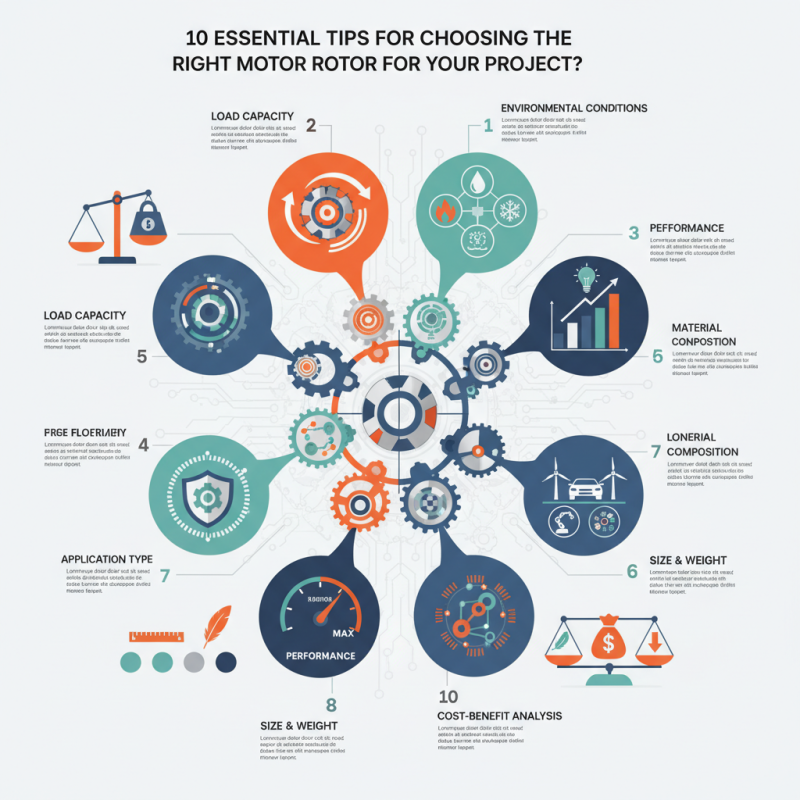
10 Essential Tips for Choosing the Right Motor Rotor for Your Project?
Choosing the right motor rotor is crucial for any engineering project. As John Smith, a leading expert in the motor industry, once stated, "The right rotor can elevate a project's success." A motor rotor influences efficiency, performance, and longevity. Without careful selection, projects can falter.
When deciding on a motor rotor, many factors come into play. One must assess the requirements of the specific application. This includes load capacity, speed, and environmental conditions. Sometimes, the wrong rotor can lead to unexpected failures. For example, unexpected heat generation or vibration issues might arise due to inappropriate rotor selection.
In the ever-evolving world of technology, identifying the right motor rotor can be overwhelming. It’s easy to overlook details that seem minor. Yet, these details can impact overall performance. Ensuring that you weigh all factors in your decision process is essential. The journey to finding the perfect motor rotor may reveal gaps in knowledge or unexpected challenges that require further reflection.
Understanding Different Types of Motor Rotors and Their Applications
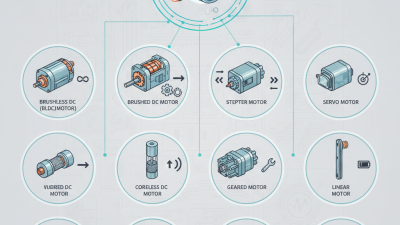
When selecting a motor rotor, understanding its types and applications is crucial. There are several rotor designs, including permanent magnet, induction, and reluctance. Each serves a distinct purpose. Permanent magnet rotors provide high efficiency and compact size. However, they may be costly. Induction rotors, on the other hand, are robust and less expensive, but they often have lower efficiency. Reports indicate that induction motors make up about 70% of the global motor market.
Applications vary widely. For instance, permanent magnet motors are common in electric vehicles and robotics. They excel in precision control and responsiveness. Yet, the complexity of their construction can lead to challenges in manufacturing. Induction motors are often found in HVAC systems and industrial machinery. Their simplicity makes them easier to maintain, but they lag in energy efficiency. This can lead to higher operating costs over time.
Choosing the right rotor can be overwhelming. Different environments and technical requirements dictate rotor selection. In some projects, the space is a constraint. In others, budget limitations might be critical. Evaluating the specific needs of your project can help. It is vital to weigh the advantages and shortcomings of each rotor type. Failing to do so can result in performance inefficiencies. Consider these factors carefully to ensure the right choice for your application.
Key Performance Metrics to Consider When Selecting a Motor Rotor
When selecting a motor rotor, understanding key performance metrics is crucial. One important metric is torque density. Higher torque density allows for more power in a compact design. According to industry studies, efficiency can increase by 10-15% when optimal rotor design is used.
Another key factor is the rotor material. The choice between iron and laminated steel impacts both weight and magnetic performance. A report by the Electrical Engineering Institute shows that laminated rotors can reduce eddy current losses by up to 30%. This is significant for thermal management and overall efficiency.
Vibration and noise levels also influence performance. A rotor with poor balancing can lead to excessive vibrations, impacting lifespan. Research indicates that improper rotor selection increases maintenance costs by 25% due to premature failures. Moreover, understanding the thermal limits of your rotor is vital. High operating temperatures can reduce the rotor’s lifespan significantly. Factors such as heat dissipation should not be overlooked. Each detail plays a role in the success of your project.
Evaluating Compatibility with Existing Motor Systems and Components
When selecting a motor rotor, compatibility with existing systems is crucial. Many projects fail due to mismatched components. According to a recent industry report, nearly 30% of motor design issues stem from improper rotor integration. It is vital to evaluate the electrical specifications, physical dimensions, and mounting configurations of your current setup.
Understanding the torque and speed requirements is essential. A rotor that exceeds these specifications can lead to inefficiencies. In fact, studies indicate about 25% of motors run at less than optimal efficiency due to incompatible rotor characteristics. This not only affects performance but increases energy consumption, impacting project costs.
Consider also the materials used in the rotor. Non-compatible materials can affect thermal performance, leading to overheating. Historical data shows that nearly 15% of premature motor failures are linked to these choices. Regular evaluations and feedback from project teams can prevent such pitfalls. You must ensure that each component complements the others seamlessly for optimal results.
Motor Rotor Compatibility Evaluation
This chart illustrates the compatibility scores of various dimensions when selecting the right motor rotor for your project. Evaluating these aspects ensures optimal integration with existing motor systems and components.
Budget Considerations and Cost-Effectiveness in Rotor Selection
When selecting a motor rotor for your project, budget is a crucial factor. Understanding the cost implications can prevent overspending. Think about the overall expenses, not just the rotor price. Include installation and maintenance costs in your planning. Sometimes, the cheapest option may lead to higher long-term expenses.
Cost-effectiveness is about more than just price. Assess the expected lifespan of the rotor. A more durable option might save money in the long run. Consider performance efficiency, as this often impacts operating costs. Poor performance can lead to increased energy consumption. This aspect is often overlooked by budget-focused decisions.
Incorporating these details into your selection process requires reflection. Are you prioritizing immediate savings over long-term value? A balance between costs and rotor quality is vital. Be cautious of low-cost alternatives that might compromise performance. Investing wisely in a quality rotor can ensure reliability over time. Remember, cost-effectiveness is a continuous journey, not a one-time decision.
Assessing Manufacturer Reputation and After-Sales Support for Rotors
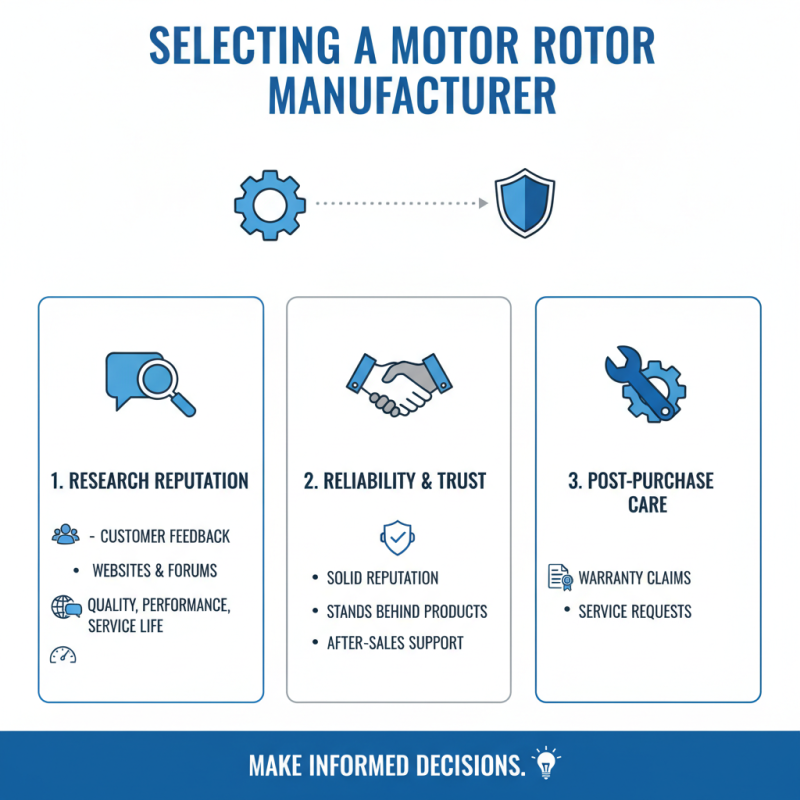
When selecting a motor rotor, evaluating the manufacturer’s reputation is crucial. Look for feedback from previous customers. Websites and forums can provide insights into real experiences. Pay attention to reviews about quality, performance, and service life. A manufacturer with a solid reputation often stands behind their products. They are also likely to offer reliable after-sales support. Check how they handle warranty claims and service requests.
After-sales support directly impacts your project’s success. Good manufacturers provide resources like technical documentation and troubleshooting guides. Additionally, responsive customer service is vital. Sometimes, issues arise unexpectedly. A manufacturer who is difficult to reach can complicate solutions. It’s essential to consider their communication channels. Are they available via phone, chat, or email? Finally, reflect on these aspects carefully. The right support can save time and reduce stress. It might not be perfect, but making a thoughtful choice can lead to better outcomes.