Leave Your Message

10 Essential Tips for Optimizing Motor Rotor Performance

Motor rotors play a crucial role in the efficiency and performance of various electric machines. Optimizing motor rotor performance can lead to significant gains in energy savings and operational durability. However, many industries overlook critical aspects that can enhance rotor functionality.

Understanding the intricacies of motor rotor design and operation is essential. Factors like material choice, rotor geometry, and magnetic properties dramatically impact performance. Even minor adjustments can yield substantial improvements. Yet, many professionals may gloss over these details due to time constraints or lack of knowledge.

Navigating the complexities of motor rotor optimization often reveals a need for re-evaluation. Some may stick to traditional practices. This may hinder advancements in rotor efficiency. Embracing new techniques can elevate performance. Implementing effective strategies allows for better energy consumption. In this guide, we will explore ten essential tips to enhance motor rotor performance for more efficient applications.

10 Essential Tips for Optimizing Motor Rotor Performance

Understanding the Basics of Motor Rotor Design and Function

10 Essential Tips for Optimizing Motor Rotor Performance

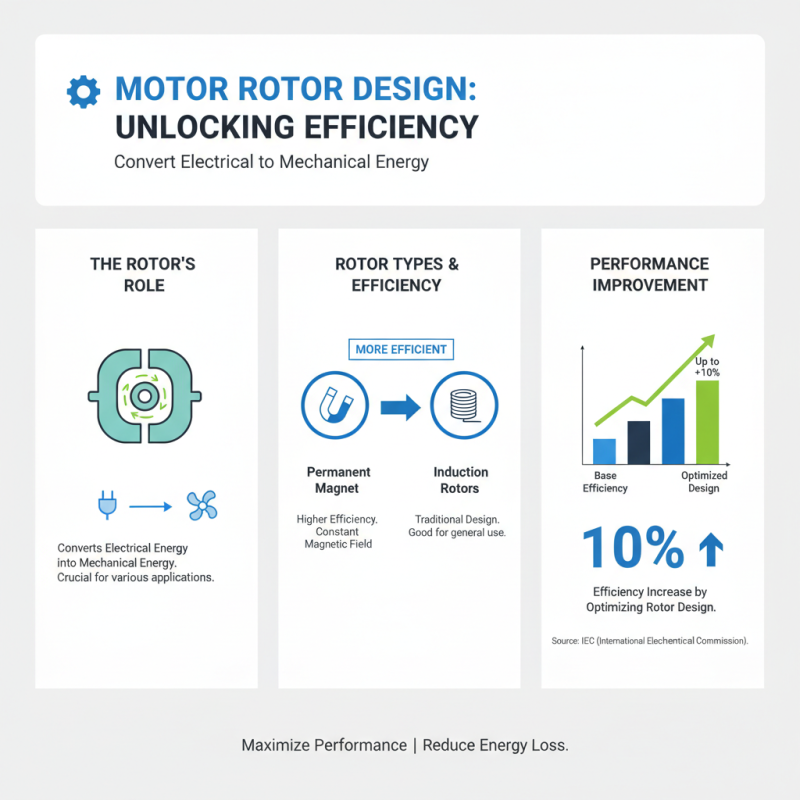
Motor rotor design is crucial for maximizing efficiency in various applications. Rotors convert electrical energy into mechanical energy. A deeper understanding of rotor types and configurations can lead to improved performance. For example, permanent magnet rotors often achieve higher efficiency compared to traditional induction rotors. According to the International Electrotechnical Commission, optimizing rotor design can increase efficiency by up to 10%.

Material choice also plays a significant role. Using lightweight materials can reduce inertia, leading to faster response times. However, manufacturers sometimes compromise on durability for weight. This trade-off can lead to higher maintenance costs in the long run. Additionally, rotor dimensions affect performance. Oversized or undersized rotors can cause imbalances, leading to vibrations and noise. According to a survey by the Electrical Engineering Research Institute, improper rotor sizing increases failure rates by 15%.

Understanding these aspects helps in designing better systems. Effective thermal management is essential. Excess heat can degrade rotor performance and lifespan. Yet, many designs neglect proper ventilation. Feedback from engineers indicates that 30% of motor failures stem from thermal issues. Ultimately, a balance between performance, material selection, and thermal regulation is vital for rotor optimization.

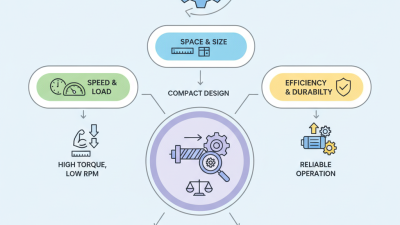
Key Factors Affecting Motor Rotor Performance

Motor rotor performance is influenced by several critical factors. One major aspect is the rotor design, which impacts efficiency and torque. A study by the Electric Power Research Institute found that rotor design can improve efficiency by up to 15%. This is a crucial consideration when aiming to reduce energy consumption.

Material selection also impacts rotor performance significantly. High-quality materials can withstand more heat and minimize wear. Research shows that using advanced alloys can increase the lifespan of rotors by 25%. However, the cost of these materials can be a barrier. Many industries still opt for cheaper options, which may lead to premature failure.

Balancing the rotor is essential. An unbalanced rotor can lead to vibration issues. This not only affects performance but can also cause damage over time. Industry data indicates that improper balancing can reduce motor lifespan by 30%. Regular maintenance checks are necessary but often overlooked, highlighting the need for more awareness in best practices.

10 Essential Tips for Optimizing Motor Rotor Performance

This chart illustrates the key factors affecting motor rotor performance and their impact levels, with magnetic material quality and rotor design being the most significant contributors to overall performance.

Techniques for Improving Rotor Efficiency and Reducing Losses

Improving rotor efficiency is crucial for maximizing motor performance. One effective technique is optimizing the rotor design. This involves fine-tuning the geometry and material selection. Using lighter materials can reduce inertia. However, this may compromise strength, leading to potential failures. Balancing performance and durability is essential.

Another vital method is refining the manufacturing process. Precision in production ensures consistency in rotor quality. Inconsistent manufacturing can lead to unexpected losses. Regular inspections and quality control checks are necessary for maintaining standards. Consider implementing advanced machining techniques. These can enhance surface quality, minimizing friction.

Heat management also plays a key role in rotor efficiency. Effective cooling systems can mitigate overheating. However, selecting the right cooling method can be challenging. Sometimes, overengineering can create unnecessary complexity. This might lead to inefficiencies instead of improvements. Striking the right balance is important for optimal rotor function.

10 Essential Tips for Optimizing Motor Rotor Performance

Tip Description Impact on Efficiency Potential Loss Reduction (%)
1. Optimize Material Selection Use high-quality, low-loss materials for rotor construction. Improves magnetic performance. 15%
2. Improve Cooling System Enhance cooling mechanisms to dissipate heat effectively. Prevents overheating and efficiency drop. 10%
3. Refine Rotor Design Utilize advanced modeling techniques for rotor geometry. Enhances airflow and reduces drag. 20%
4. Balance Rotors Precisely Ensure rotors are well-balanced to minimize vibration. Increases lifespan and performance. 12%
5. Use Variable Frequency Drives Implement VFDs to control rotor speed more efficiently. Improves energy savings and control. 18%
6. Regular Maintenance Conduct frequent inspections and maintenance routines. Prevents performance issues. 15%
7. Optimize Electrical Connection Ensure efficient and low-resistance electrical connections. Reduces power losses. 10%
8. Utilize Advanced Coatings Apply advanced coatings to reduce friction. Enhances durability and efficiency. 8%
9. Experiment with Pole Configurations Test different pole designs for optimal torque delivery. Improves power output. 25%
10. Implement Feedback Systems Use sensors to adjust performance in real-time. Maximizes operational efficiency. 15%

Maintenance Best Practices for Optimal Rotor Operation

10 Essential Tips for Optimizing Motor Rotor Performance

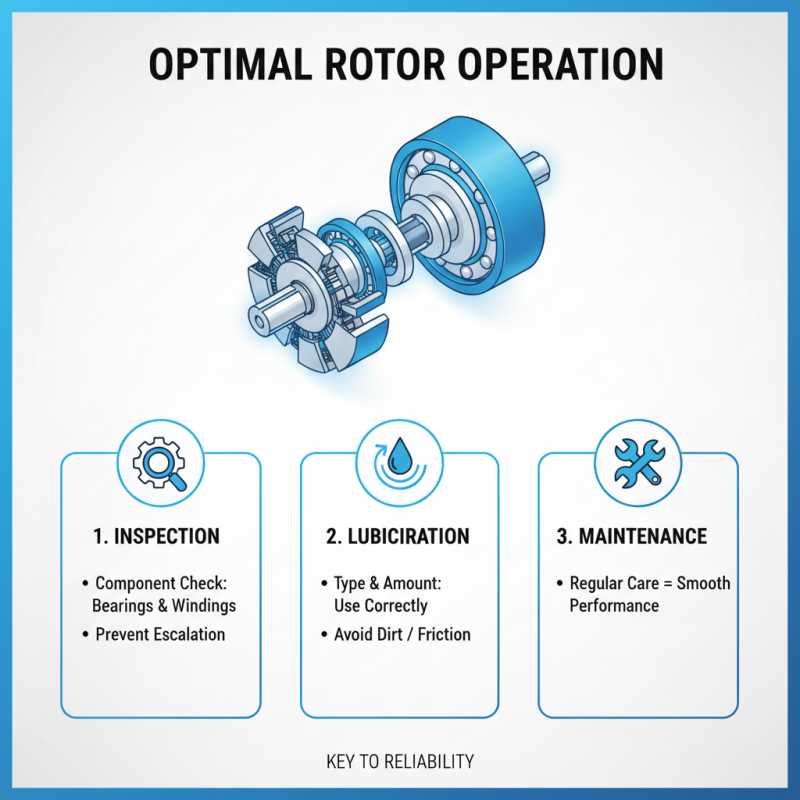
Regular maintenance is key to achieving optimal rotor operation. Inspecting components frequently ensures smooth performance. Check for wear and tear on parts like bearings and windings. Small issues can escalate quickly if ignored. Lubrication needs attention, too. Use appropriate lubricant in the right amount. Over-lubricating can attract dirt, while under-lubricating creates friction.

Keep an eye on temperature and vibration levels. High temperatures might signal potential failure. A simple thermometer can help. Vibration analysis can uncover hidden problems. Look for signs of imbalance or misalignment. Adjusting them can save time and costs in the long run.

Document all maintenance activities. Notes on inspections and repairs are essential. They offer a clear history of rotor condition. It can help in identifying recurring issues. Reflecting on this data guides future maintenance decisions. Even routine checks can yield lessons. Embrace a proactive mindset for sustained rotor performance.

Advanced Materials and Technologies in Rotor Optimization

The advancement of materials in rotor design significantly impacts performance. Using lightweight composites can reduce mass while improving strength. According to a report by the International Energy Agency, high-performance polymers can enhance thermal resistance in rotors, allowing them to operate at higher temperatures without failure. This means that such materials can lead to a 10-15% increase in efficiency.

Additionally, incorporating technologies like additive manufacturing has transformed rotor optimization. This method allows for intricate designs that were previously impossible, leading to improved airflows and cooling. A recent study highlights that optimized rotors can lead to a 20% reduction in energy losses. However, the adoption of these technologies is not without challenges. The cost of advanced materials can be prohibitive for smaller manufacturers. They may also require a steep learning curve, hindering quick implementation.

Using simulation software for rotor design has become common. This tool helps engineers predict performance outcomes effectively. However, over-reliance on software can lead to overlooking real-world material behaviors. Testing prototypes remains crucial. The balance between innovation and practicality is delicate. Without diligence, companies might invest in cutting-edge solutions that do not translate into real-world improvements.