Why Does Motor Work Matter in Modern Technology?
In the rapidly evolving landscape of modern technology, "Motor Work" plays a pivotal role across various industries. A recent report by the International Energy Agency highlights that electric motors consume about 45% of global electricity. The efficiency of these motors significantly impacts energy consumption and sustainability. Experts like Dr. Alice Trueman, a leading authority in motor technology, emphasize this importance. She states, "The efficiency of motor work directly influences both operational costs and environmental footprints."
As we navigate through advancements like automation and electric vehicles, the demand for high-performance motors increases. However, many companies still struggle to optimize their motor work processes. This gap in efficiency can lead to substantial financial losses. Industry reports indicate that optimizing motor work can improve energy efficiency by up to 30%. This highlights the need for continuous improvement and innovation in motor design and operation.
Despite the clear benefits, challenges remain. Many organizations fail to recognize the significance of regular maintenance and upgrades. This neglect can result in reduced performance and higher energy costs. As we push for greener technologies, understanding motor work becomes more critical than ever. The future relies on our ability to innovate and refine our approach to motor work, for both economic and environmental well-being.
The Role of Electric Motors in Modern Technology Advancement
Electric motors are at the heart of modern technological advancements. Their efficiency and reliability drive innovations in various sectors. According to the International Energy Agency (IEA), electric motors account for nearly 45% of global electricity consumption. This statistic highlights their critical role in energy efficiency. Manufacturers are increasingly turning to advanced motor technology to reduce energy costs and environmental impact.
The evolution of motor design has led to improved performance and durability. For instance, brushless DC motors have gained popularity for their higher efficiency and longer lifespan. A report by Research and Markets suggests that the global electric motor market will reach over $200 billion by 2025, illustrating the growing importance of motors in industry. This growth indicates a shift towards automation and energy management solutions.
Tips: Consider energy-efficient motors in your devices. Regular maintenance can enhance motor lifespan and performance. Investing in the right technology can save costs in the long run. While electric motors are crucial, it's essential to continually evaluate their impact on energy consumption and sustainability. This reflective approach can lead to innovative solutions that align with modern environmental goals.
Why Does Motor Work Matter in Modern Technology? - The Role of Electric Motors in Modern Technology Advancement
| Application Area |
Motor Type |
Efficiency (%) |
Power Output (HP) |
Control Type |
| Electric Vehicles |
Brushless DC Motor |
90 |
100 |
Vector Control |
| Industrial Automation |
AC Induction Motor |
85 |
50 |
Direct On-Line |
| Home Appliances |
Permanent Magnet Synchronous Motor |
88 |
1 |
Speed Control |
| Robotics |
Stepper Motor |
80 |
5 |
Open Loop Control |
| Renewable Energy |
Synchronous Generator |
95 |
150 |
Grid Tied |
Key Applications of Motors in Industry and Everyday Life
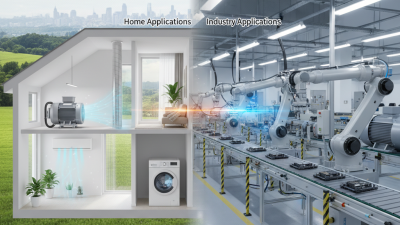
Motors play a crucial role in various sectors of modern life. In industries, they drive machinery, enabling production lines to function efficiently. For instance, electric motors power conveyor belts, adding speed and precision to manufacturing processes. These components are essential for tasks that require repetitive motion, showcasing their reliability.
In everyday life, motors are everywhere. They run household appliances, from washing machines to vacuum cleaners. A simple vacuum cleaner uses a motor to create suction, making cleaning effortless. Yet, reliance on motors brings challenges. Energy consumption can be high, impacting both costs and the environment. Exploring energy-efficient motor designs is vital for sustainable development.
Moreover, motors impact transportation. Electric vehicles use advanced motor technology, promoting greener alternatives. However, issues with battery life and charging infrastructure raise questions. Innovation in motor engineering must balance performance and sustainability. Continuous research is necessary for improving their reliability and efficiency. Balancing these aspects in motor design is an ongoing challenge, one worth tackling for the future.
Technological Innovations Driven by Motor Work Efficiency
Motor work efficiency plays a crucial role in technological innovation today. It directly affects various industries, from automotive to robotics. When motors operate efficiently, devices consume less energy. This translates into lower operational costs and reduced environmental impact. Innovations such as regenerative braking in electric vehicles showcase the importance of effective motor work. These systems reclaim energy that would otherwise be lost, creating smarter, greener technology.
Moreover, advancements in motor design enhance performance in everyday applications. Compact motors now fit in limited spaces yet deliver higher power output. This trend is evident in drones and compact devices, where weight and size matter. Engineers continually explore new materials and designs, but challenges remain. Not all innovations are universally applicable or affordable. The journey to achieving optimal motor work efficiency is a blend of trial and error, leading to both successes and setbacks.
As technology progresses, it’s vital to consider the implications of motor work improvements. Higher efficiency is not always synonymous with cost-effectiveness. In some cases, the initial investment in new motors can be substantial. Companies must weigh long-term benefits against upfront expenses. This reflection is essential for sustainable growth in the technology landscape.
Sustainability and Energy Efficiency of Modern Motor Designs
Modern technology relies heavily on efficient motor designs. These designs are crucial in promoting sustainability. As industries strive to reduce energy consumption, the evolution of motor technology becomes vital. Motors are found in various applications, from electric vehicles to manufacturing equipment. Their efficiency directly impacts energy usage and carbon emissions.
Energy-efficient motors minimize waste. They convert a larger portion of electrical energy into mechanical energy. This not only saves money but also reduces the overall environmental footprint. However, challenges remain. The balance between performance and sustainability can be tricky. Some high-efficiency motors may require rare materials. Such materials raise ethical and sourcing concerns.
The quest for sustainable motor designs is ongoing. Researchers are exploring new materials and methods to improve efficiency. Considerations like lifecycle impacts and recyclability are also gaining attention. Developing smarter motors is a complex task. Innovation must address practical challenges, ensuring that advancements are both effective and responsible.
The Future of Motor Technology in Emerging Fields
Motor technology is evolving rapidly. In emerging fields like robotics and renewable energy, motors play a crucial role. Innovations in electric motors enhance efficiency and performance. These advancements drive industries forward, creating more sustainable solutions.
In robotics, precise motor control is vital. Robots require various types for different tasks, from simple movements to complex actions. The challenge lies in optimizing these motors for specific applications. Failures in design or execution can lead to significant setbacks. It’s essential to identify areas for improvement.
The renewable energy sector also relies heavily on motor technology. Electric motors in wind turbines and solar trackers must operate flawlessly. However, maintaining these systems can be costly and complex. There is ongoing research to improve reliability and reduce costs. This area requires careful examination and constant innovation to adapt to future needs.
Electric Motor Technology Trends (2018-2023)
This bar chart represents the growth of various motor technologies over the past five years, showcasing increases in electric motor efficiency, applications in automation, and the rise of renewable energy motors. The data indicates a clear upward trajectory in the importance and implementation of motor technologies driven by emerging fields.