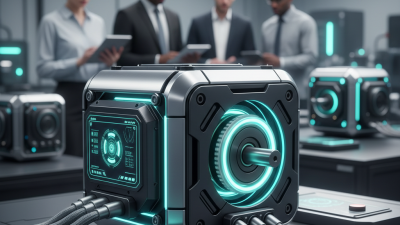
In the realm of modern technology, the term "Motor Micro" has emerged as a pivotal concept that underpins numerous advancements across various industries. These miniature motors are not just compact versions of their larger counterparts; they are meticulously designed to deliver precision and efficiency in a smaller form factor. As technology continues to evolve, the demand for high-performance solutions that can fit into tight spaces has led to the innovative development of Motor Micros, which serve as the driving force in devices ranging from robotics to medical equipment.
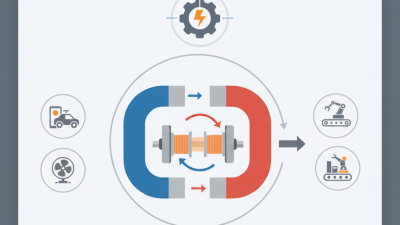
Motor Micros operate using principles of electromagnetism, converting electrical energy into mechanical energy while maintaining a remarkable level of control. Their design often includes advanced materials and engineering techniques that enable them to perform with reduced power consumption and enhanced durability. With the global shift towards automation and miniaturization, understanding how Motor Micros function is essential for grasping the future of technology. These motors not only enhance the capabilities of electronic devices but also contribute to sustainability efforts by optimizing energy usage.
In this article, we will delve deeper into the workings of Motor Micros, exploring their design, applications, and the transformational impact they have on modern technology. As we uncover the intricate details of these remarkable micro-motors, it will become evident how they continue to shape the world around us, driving innovation and improving efficiency in an ever-demanding technological landscape.
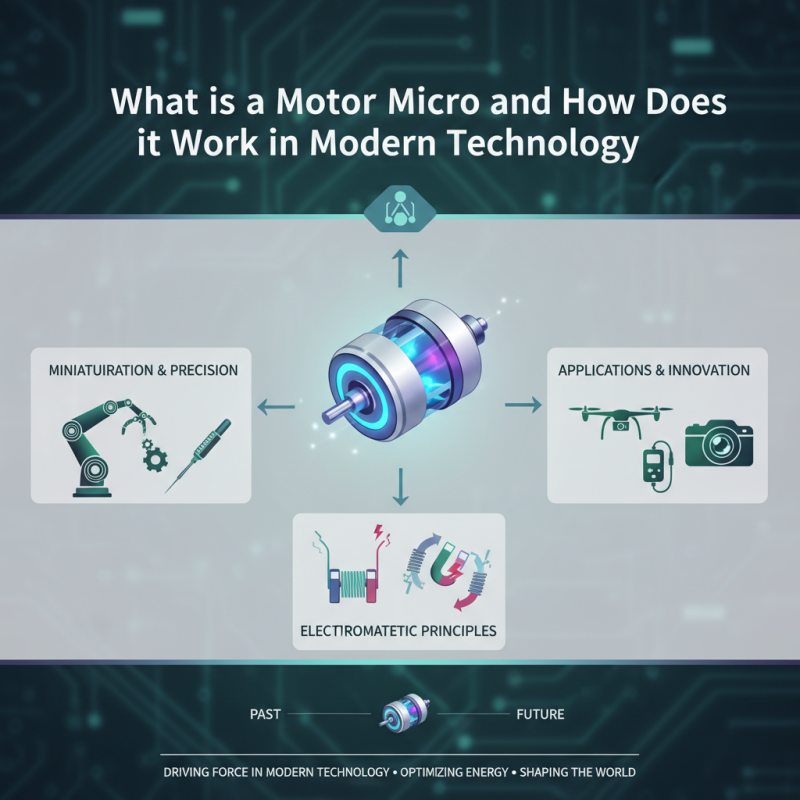
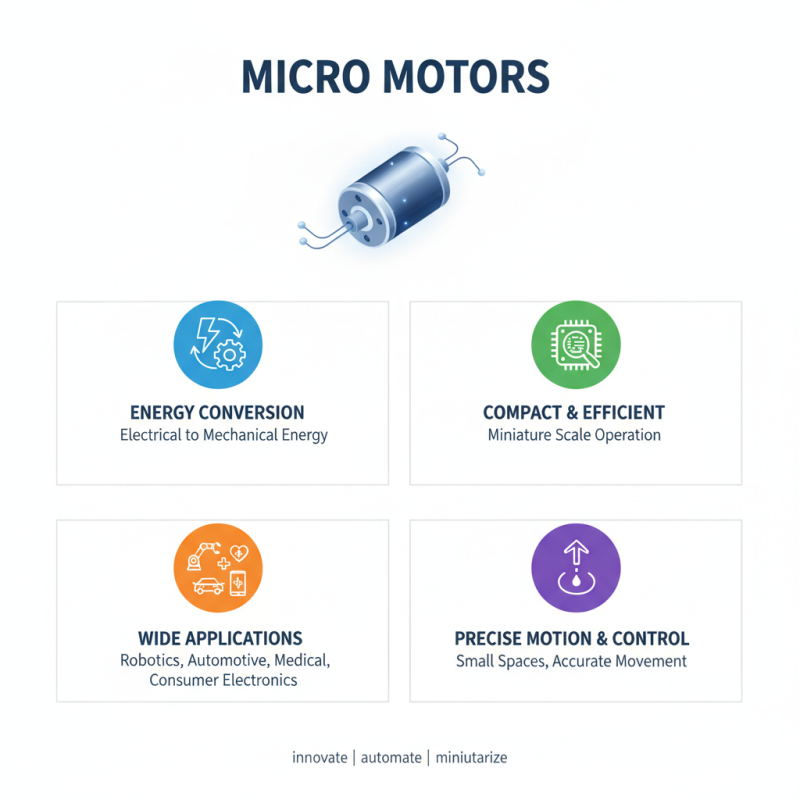
A motor micro, often referred to as a micro motor, is a compact and efficient motor designed for a variety of applications in modern technology. These devices convert electrical energy into mechanical energy on a miniature scale, making them integral to the operation of numerous electronic devices. Micro motors are widely used in sectors such as robotics, automotive, medical devices, and consumer electronics, thanks to their ability to deliver precise motion and control even in the smallest of spaces.
According to a recent report by ResearchAndMarkets, the global micro motor market is projected to reach $34.7 billion by 2025, driven by the increasing demand for miniaturization in technology. These motors benefit from advancements in materials and manufacturing processes, allowing for greater efficiency and enhanced performance. For instance, brushless micro motors are known for their longer lifespan and lower maintenance requirements compared to traditional brushed motors.
**Tips:** When selecting a micro motor for your application, consider factors such as torque requirements, size constraints, and power consumption. Additionally, it's crucial to assess the environmental conditions in which the motor will operate, as temperature and humidity can significantly affect performance. Integrating a micro motor into your design can not only enhance functionality but also contribute to the overall efficiency and durability of the device.

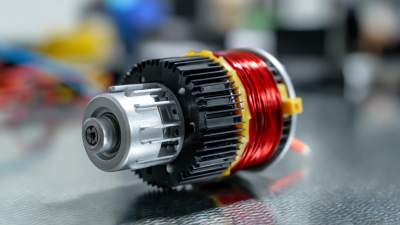
Motor micro technology, a pivotal advancement in the realm of engineering, includes several key components essential for its functionality. At the core of this technology lies the micro motor itself, which typically comprises a stator and rotor. The stator generates a magnetic field that interacts with the rotor, leading to rotational motion. This motion is often enhanced by the use of high-efficiency coils made from advanced materials that minimize energy loss and maximize performance.
Another critical component is the integrated control system, which allows precise regulation of the motor's speed and torque. This system utilizes sensors to monitor performance in real time, adjusting parameters to ensure optimal efficiency and responsiveness. Additionally, advanced cooling mechanisms are often integrated to maintain operational stability by dissipating heat generated during the motor's function. Collectively, these elements work in harmony to make motor micro technology a cornerstone of modern applications, ranging from robotics to consumer electronics.
This bar chart illustrates the market share distribution of Motor Micro technologies across various modern applications, showcasing their significance in different sectors such as Robotics, Automotive, Consumer Electronics, Home Appliances, and Industrial Automation.
Motor micros, often referred to as micro motors, are miniature motors designed to provide precise motion control in a variety of modern applications, ranging from consumer electronics to robotics. These motors operate based on basic electromagnetic principles, where the interaction between electrical currents and magnetic fields generates motion. Typically, a micro motor consists of a stator, which is the stationary part that produces a magnetic field, and a rotor, which is the rotating component. When an electric current flows through the stator, the magnetic field induces a torque on the rotor, causing it to rotate. Advanced designs may incorporate feedback systems allowing for closed-loop control, enhancing their accuracy and efficiency.
The efficiency of motor micros has led to their widespread adoption in industries requiring miniaturization and high precision. According to a market research report published by Research and Markets, the global micro motor market is expected to reach approximately $4.5 billion by 2025, driven by advancements in automation technology and the growing demand for miniaturized devices. The ability of these motors to operate at lower voltages while maintaining high torque characteristics makes them ideal for applications in automated manufacturing systems, portable medical devices, and precision robotics. Their compact design and power efficiency are essential in pushing the boundaries of innovation in technology, where space is often at a premium.
Motor micros, also known as micro motors, have revolutionized the design and functionality of various modern devices. These miniature motors are compact, lightweight, and can produce significant torque, making them ideal for applications where space is limited. One of the most prominent applications of motor micros can be found in consumer electronics, such as smartphones and cameras. They are employed in functions like autofocus mechanisms and vibration alerts, enhancing user experience by providing precision and responsiveness.
In addition to consumer electronics, motor micros are increasingly utilized in robotics and automation. Their ability to perform intricate movements with high accuracy makes them essential in robotic arms and drones. In medical devices, motor micros facilitate everything from precise surgical instruments to portable diagnostic tools.
The integration of these motors into innovative technologies not only improves efficiency but also enables new capabilities, paving the way for advancements in numerous fields. As technology continues to evolve, the role of motor micros will only expand, further embedding them into the fabric of modern devices.
The evolution of motor micro technology is poised to revolutionize various industries, including automotive, robotics, and consumer electronics. As demand for more compact, efficient, and powerful motors grows, innovations such as integrated sensors and advanced materials come to the forefront. These advances not only enhance performance but also enable energy savings and reduced environmental impact. The interactions between motor micro technology and artificial intelligence are also on the rise, paving the way for smarter systems that can optimize performance based on real-time data.
Tips for integrating motor micro technology into new designs include focusing on modularity and flexibility. This approach allows for easy upgrades as technology evolves, ensuring that products remain competitive. Additionally, consider the potential of automation and IoT connectivity, which can significantly enhance functionality and user experience.
As motor micro technology continues to develop, trends such as miniaturization and greater power density will likely prevail. Future innovations may include the use of nanomaterials and advanced cooling techniques to improve efficiency further. Adapting to these trends will be crucial for businesses aiming to leverage the full potential of motor micro technology in their offerings.