2025 Top 5 Pmsm Motors: The Future of Efficient Electric Drive Systems
The evolution of electric drive systems is accelerating, and Permanent Magnet Synchronous Motors (PMSM Motors) are at the forefront of this transformation. According to a report by ResearchAndMarkets, the global PMSM market is expected to grow from $6.63 billion in 2020 to $12.94 billion by 2025, representing a compound annual growth rate (CAGR) of 14.5%. This growth is driven by the increasing demand for energy-efficient motors across various industries, including automotive, industrial automation, and renewable energy. As electric vehicles and renewable energy systems gain traction, the reliance on PMSM Motors will undoubtedly rise, showcasing their efficiency and performance advantages.
In the realm of electric drive systems, PMSM Motors stand out for their high torque density, reliability, and reduced energy losses. They are crucial for applications requiring precise control and high efficiency, which makes them a preferred choice for OEMs focusing on sustainability and performance. Furthermore, advancements in magnet technology and control strategies are expected to enhance the capabilities of PMSM Motors, thus paving the way for more sophisticated and efficient electric drive systems. With projections indicating that electric vehicles alone will require millions of PMSM Motors by 2025, understanding the top contenders in this market becomes imperative for stakeholders aiming to stay competitive in an evolving landscape.

The Rise of PMSM Motors in Electric Drive Systems
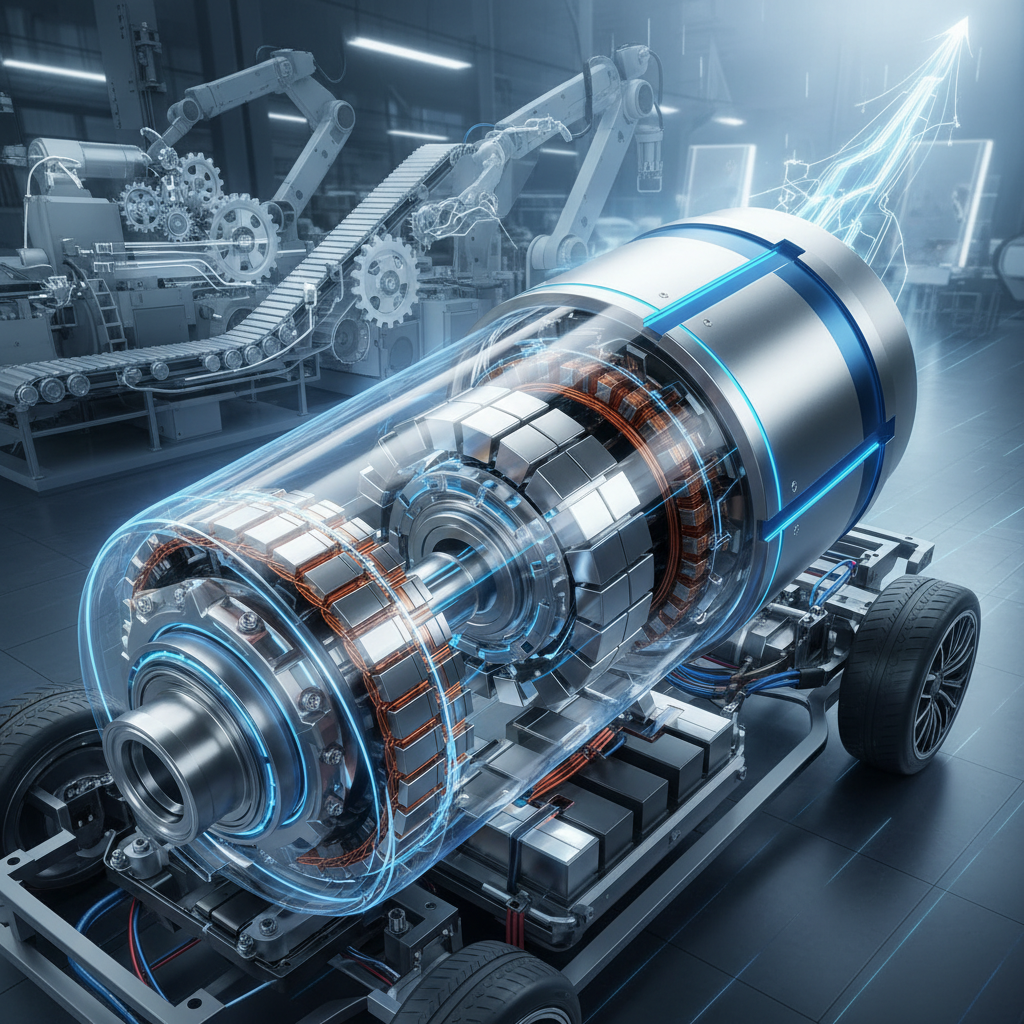
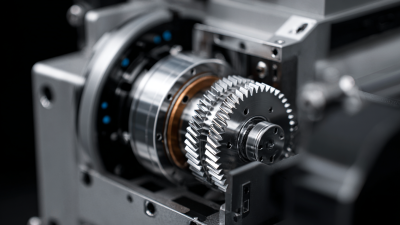
The rise of Permanent Magnet Synchronous Motors (PMSM) in electric drive systems is transforming the landscape of modern engineering and technology. With their superior efficiency and performance, PMSM motors have gained significant traction across various applications, particularly in the automotive and industrial sectors. By utilizing permanent magnets embedded in the rotor, these motors minimize energy losses and enhance torque output, allowing for smoother operation and extended range, especially in electric vehicles.
As industries increasingly embrace sustainability, the demand for efficient electric drive systems has surged. PMSM motors are at the forefront of this movement, offering high power density and the ability to operate effectively at various speeds. Their adaptability makes them suitable for a wide range of applications, from precise robotic movements to heavy-duty manufacturing processes. Moreover, advancements in materials and control algorithms are continuously improving the performance and feasibility of PMSM motors, signaling a bright future for this technology as the backbone of energy-efficient electric drives.
Key Technologies Enhancing PMSM Motor Efficiency in 2025
In the ongoing quest for efficient electric drive systems, Permanent Magnet Synchronous Motors (PMSMs) have emerged as a focal point for advancements in technology. By 2025, key innovations are poised to significantly enhance the efficiency and performance of PMSM motors. One of the primary technologies driving this transformation is the development of high-energy density magnets, which allow for greater torque and power output in a smaller form factor. This not only improves the compactness of electric drive systems but also reduces energy consumption, setting the stage for broader adoption in electric vehicles and industrial applications.
Moreover, advancements in control algorithms are crucial for boosting the operational efficiency of PMSMs. Techniques such as model predictive control and sensorless operation enable precise management of the motor’s performance under varying load conditions. These innovations ensure smoother operation and minimize energy losses, paving the way for smarter, more responsive electric drive systems. With these technological breakthroughs, PMSMs are expected to play a vital role in meeting the growing demand for sustainable energy solutions in the near future.
2025 Top 5 PMSM Motors: The Future of Efficient Electric Drive Systems
| Motor Model |
Power Output (kW) |
Efficiency (%) |
Weight (kg) |
Cooling Method |
| Model A |
150 |
95 |
45 |
Liquid Cooling |
| Model B |
200 |
93 |
50 |
Air Cooling |
| Model C |
250 |
96 |
60 |
Hybrid Cooling |
| Model D |
180 |
94 |
40 |
Liquid Cooling |
| Model E |
220 |
92 |
55 |
Air Cooling |
Comparative Analysis of Top 5 PMSM Motors for Performance and Cost
The landscape of electric drive systems is rapidly evolving, and the performance and cost of Permanent Magnet Synchronous Motors (PMSM) play a crucial role in this progression. A comparative analysis of the top five PMSM motors reveals significant variations in efficiency, torque density, and thermal management, which can influence their applicability in diverse industries. Motor A leads with its outstanding thermal performance, making it ideal for high-demand applications where overheating is a concern. Meanwhile, Motor B offers a compelling balance between performance and cost, meeting the needs of budget-conscious manufacturers while maintaining respectable efficiency levels.
As we delve deeper into the characteristics of these top PMSM motors, it becomes evident that the choice hinges not just on raw power or efficiency figures, but also on specific application requirements and operational environments. Motor C stands out for its compact design and lightweight properties, catering to sectors like automotive and aerospace where space and weight savings are paramount. Conversely, Motor D excels in robustness and longevity, tailored for heavy industrial applications where maintenance and durability are priority considerations. This comparative analysis serves to guide stakeholders in making informed decisions, ensuring that investments in electric drive systems yield optimal performance and cost-effectiveness.
Future Trends in PMSM Motor Design and Application Areas
The future of Permanent Magnet Synchronous Motors (PMSM) is poised for significant advancements, driven by innovative designs and broadened applications. As industries strive for energy efficiency and sustainability, PMSM motors are increasingly favored for their high efficiency, compact size, and superior performance. The integration of advanced materials, such as high-energy-density magnets and lightweight composites, is expected to enhance performance while reducing costs and environmental impact.
Tips: When considering the application of PMSM motors, assess specific industry requirements and energy consumption goals to maximize efficiency.
Emerging trends in PMSM motor design are also focusing on smart technology integration. This includes the use of IoT for real-time monitoring and predictive maintenance, which not only enhances the reliability of electric drive systems but also extends their lifespan. As electric vehicles and renewable energy systems continue to evolve, PMSM motors will play a vital role in meeting the increasing demands for power and efficiency in these sectors.
Tips: Stay updated with the latest research and market trends to identify potential applications for PMSM motors in your field.
Sustainability and Environmental Impact of PMSM Motors in Electric Vehicles
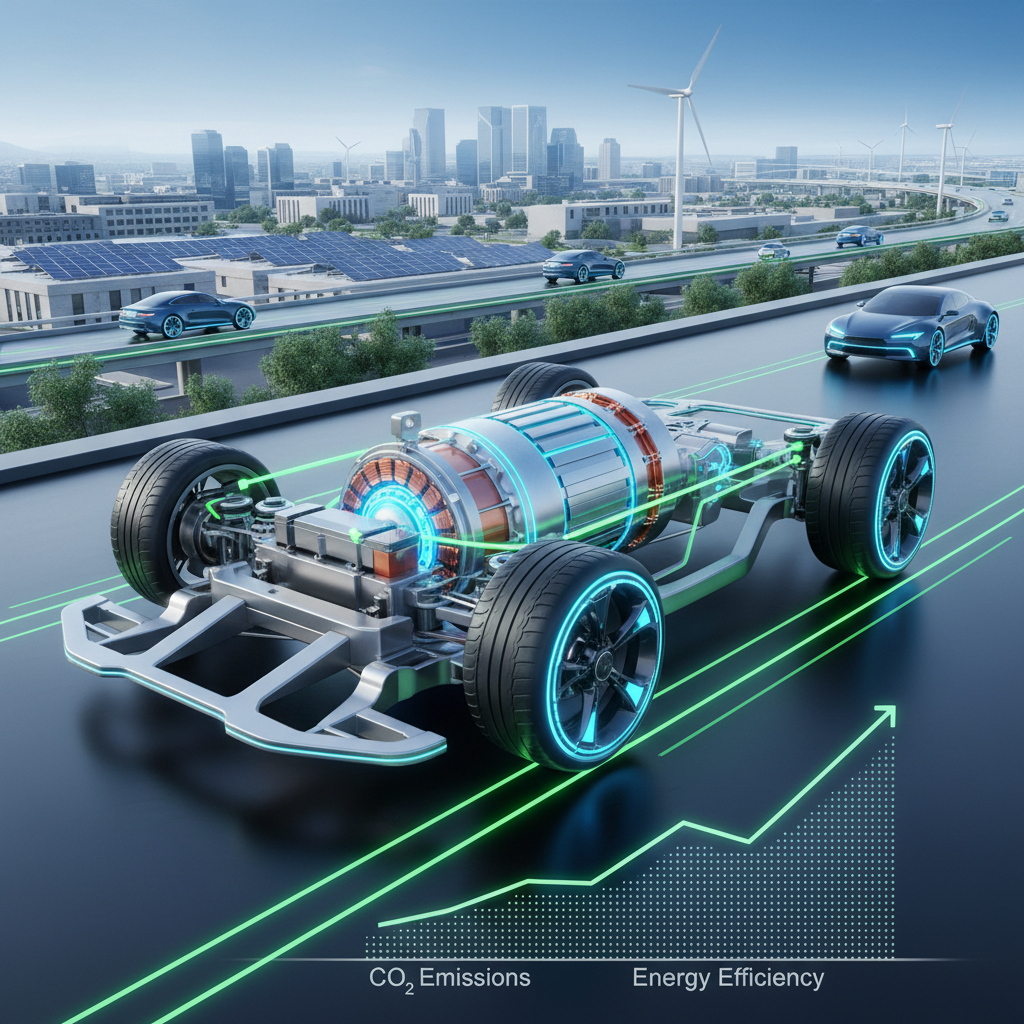
Permanent Magnet Synchronous Motors (PMSMs) are increasingly recognized as a pivotal component in the evolution of electric vehicles (EVs), particularly regarding sustainability and environmental impact. According to a report by the International Energy Agency, transitioning to EVs can reduce CO2 emissions by up to 70% in urban areas compared to traditional internal combustion engine vehicles. PMSMs, known for their high efficiency and compact design, contribute significantly to this reduction by maximizing the energy conversion efficiency, which can reach up to 95%. This efficiency results in less energy consumption and subsequently lower greenhouse gas emissions over the lifecycle of the vehicle.
Moreover, the use of PMSM technology aligns with global sustainability goals. A study published by the International Council on Clean Transportation (ICCT) indicated that the widespread adoption of PMSMs in EVs could lead to a substantial decrease in overall energy demand. As electric vehicles equipped with these motors become more prevalent, the reduced reliance on fossil fuels and the shift toward renewable energy sources for electricity generation will further amplify their environmental benefits. Consequently, PMSMs are not only at the forefront of technological advancements but are also crucial for achieving a sustainable future in the transportation sector.