2026 Top AC Motor Innovations for Efficient Energy Solutions?
The AC motor industry is undergoing significant transformations as we move toward 2026. Recent reports indicate that global demand for energy-efficient motors is projected to grow by over 12% annually. This shift reflects both technological advancements and environmental needs. According to Dr. Elena Smith, a leading expert in motor efficiency, “The future of AC motors lies in their ability to adapt and reduce energy consumption.”
New innovations in AC motors are essential for addressing climate change. These innovations are more than just enhancements; they aim to revolutionize energy usage across various sectors. For instance, integrating AI and IoT has shown promising results in real-time energy monitoring, leading to better performance. However, challenges remain. Many manufacturers struggle with high initial costs of modern AC motors, hindering widespread adoption.
In addition, there’s an ongoing debate about the balance between performance and sustainability. Companies must navigate these complexities while pushing for efficiency. The need for better designed, innovative AC motors is urgent as we seek greener solutions for a sustainable future. Ultimately, the journey toward optimal efficiency in the AC motor realm is filled with both promise and the need for ongoing dialogue.
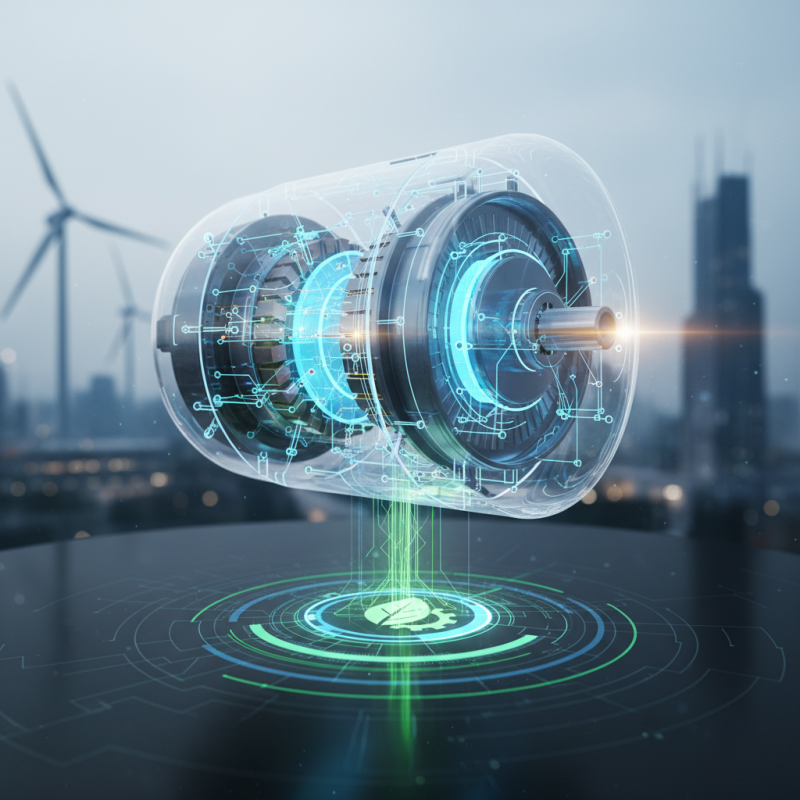
Current Trends in AC Motor Technology: An Overview of Innovations
In recent years, the AC motor industry has seen remarkable innovations. These advancements aim to enhance efficiency and reduce energy consumption. More efficient designs are emerging, focusing on sustainability. This push is crucial as industries seek greener solutions.
One notable trend is the use of advanced materials. Engineers are experimenting with superconductors and composite materials. These materials can lead to lighter motors with increased performance. Improvements in thermal management are also evident. Enhanced cooling systems allow motors to operate at higher efficiencies without overheating.
**Tip:** When selecting AC motors, consider energy ratings. Look for motors with high efficiency to save costs in the long run.
However, not all innovations are flawless. For instance, integrating smart technology can complicate setups. While smart motors offer data analytics, they may require specialized training. This could lead to higher costs and longer setup times. It’s important to evaluate the balance between innovation and practicality.
**Tip:** Regular maintenance of motors is essential. Check insulation and lubrication to ensure longevity and performance.
AC motors are gradually incorporating IoT features. These advancements can lead to predictive maintenance, minimizing downtime. However, such technology may also raise cybersecurity concerns. Embracing innovation requires a willingness to address these challenges head-on.
2026 Top AC Motor Innovations for Efficient Energy Solutions
This chart illustrates various innovations in AC motor technology anticipated for 2026, highlighting their energy efficiency improvements and adoption rates.
Energy Efficiency in AC Motors: Key Developments for 2026
Energy efficiency in AC motors has become a focal point for various industries. In 2026, innovations aim to significantly improve performance and reduce energy consumption. Recent studies show that electric motors account for nearly 70% of industrial energy costs. This statistic underlines the urgency for effective solutions in motor technology.
Emerging trends involve advanced materials and smart technologies. For instance, using high-efficiency rotor designs can reduce energy losses by up to 30%. Furthermore, integrating IoT capabilities allows for real-time monitoring and predictive maintenance. These features not only enhance operational efficiency but also encourage sustainable practices.
Despite these advancements, challenges remain. Many facilities still rely on outdated systems that lack efficiency. Transitioning to new technology can involve high upfront costs, making stakeholders hesitant. Moreover, some innovations require significant adaptation in existing infrastructure. Addressing these barriers is crucial for widespread implementation of energy-efficient AC motors.
Advanced Materials and Design Techniques for Improved Performance
Innovations in AC motors are significantly shaped by advanced materials and design techniques. Lightweight materials like carbon fiber and advanced alloys are transforming the landscape. These materials enhance durability and efficiency, but they also pose challenges. For instance, the cost of production can be a barrier. Balancing performance and expense is crucial.
Design techniques have also evolved. Computational fluid dynamics helps optimize airflow within motors. This improves cooling and boosts performance. However, oversized fins can lead to unwanted turbulence, affecting efficiency. Designers need to refine these aspects, as small details can make a major difference.
Moreover, 3D printing is becoming increasingly popular in motor housing designs. It allows for complex shapes that traditional methods can’t achieve. Yet, the long-term reliability of these printed components remains an area for improvement. Addressing these concerns is vital for the successful adoption of new technologies in AC motors.
The Role of Smart Technology in Enhancing AC Motor Efficiency
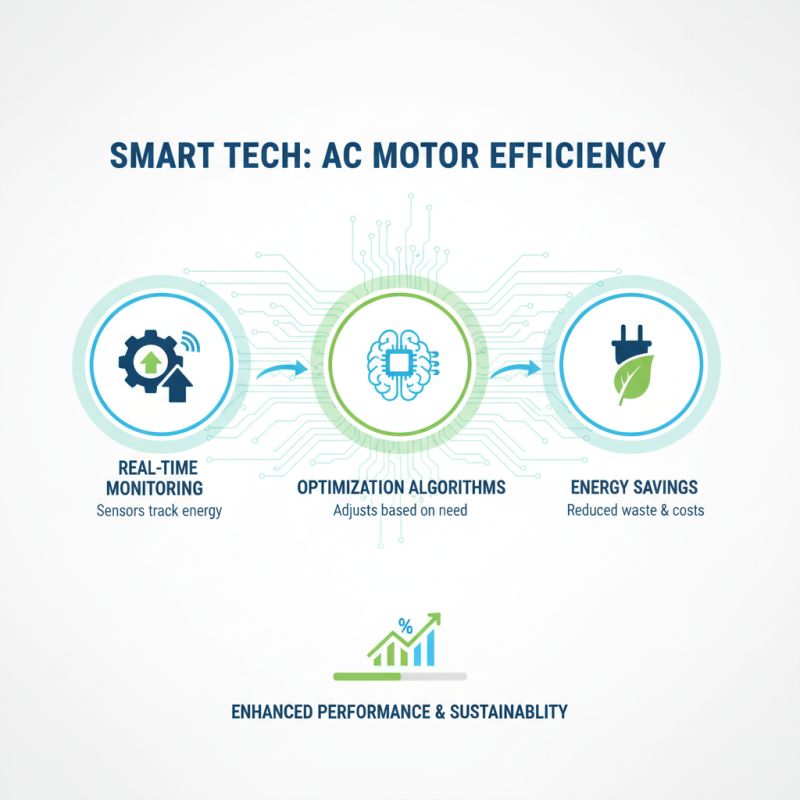
In recent years, smart technology has transformed the efficiency of AC motors. It plays a pivotal role in enhancing overall performance. Modern sensors monitor energy consumption in real-time. This data helps optimize motor usage and reduce waste. Algorithms adjust performance based on actual needs. This leads to significant energy savings.
Tips for improving AC motor efficiency include regular maintenance and using variable speed drives. These drives allow motors to run only as fast as needed. It conserves energy and minimizes wear. Moreover, implementing predictive maintenance can catch issues before they escalate. This shift toward proactive care saves resources and boosts efficiency.
While advancements are impressive, challenges remain. Not all facilities can quickly adapt to these technologies. Training staff is vital for proper implementation. Without knowledge, even the best technology may fail to perform. Continuous learning is essential in this fast-changing environment. Embracing smart technology is the future, but reflection on its integration is crucial.
Future Outlook: Key Drivers of Innovation in AC Motor Solutions
Innovation in AC motor technology is driven by a few key factors. First, energy efficiency remains a priority. As industries focus on reducing carbon footprints, motors are evolving to meet these demands. Improved materials allow for better heat dissipation, increasing overall performance. More efficient AC motors use less energy, which benefits both the environment and operational costs.
Another significant driver is automation. The rise of IoT in manufacturing pushes for smarter motor solutions. Frequency drives and advanced sensors are becoming standard. These features provide real-time feedback, optimizing performance. Yet, integrating these technologies presents challenges. Not all systems are compatible, and significant investment is often required. Companies must weigh these factors carefully.
The push for sustainability also motivates AC motor enhancements. Renewable energy sources change how motors operate. For example, wind and solar energy require adaptable technologies. AC motors must become versatile to align with these changes. Many engineers face setbacks in creating compatible systems. The future of AC motors hinges on overcoming these hurdles. It’s an exciting yet complex landscape, full of potential and barriers.