Leave Your Message

Why Choose a DC Motor for Your Application?

Choosing a Dc Motor is not simply a matter of selecting a familiar technology. It is a decision about motion, control, service conditions, and long-term reliability. In a small conveyor, for example, the motor must start smoothly while carrying changing loads. In a battery-powered tool, efficiency and compact size may matter more. A Dc Motor can offer straightforward speed control, strong starting torque, and practical integration with controllers. That flexibility explains its continued use in robotics, vehicles, pumps, and factory equipment.

Motor-control author Austin Hughes provides a useful principle: “The right motor is the one that matches the load, control method, and duty cycle.” This idea sounds simple. It is often overlooked. A brushed Dc Motor may be affordable and easy to repair, yet brush wear can create maintenance demands. A brushless design can reduce wear and improve efficiency, but its electronic controller adds cost and design complexity. Engineers should examine torque curves, voltage limits, operating temperature, noise, and expected running hours before making a choice.

Real experience also exposes weaknesses. A motor that performs well on a test bench may struggle inside a dusty machine enclosure. A controller may work perfectly at room temperature, then fail during repeated starts. These details deserve attention. The best Dc Motor is not always the fastest or cheapest option. It is the one that delivers dependable motion within the application’s real limits, including limits that were missed during early planning.
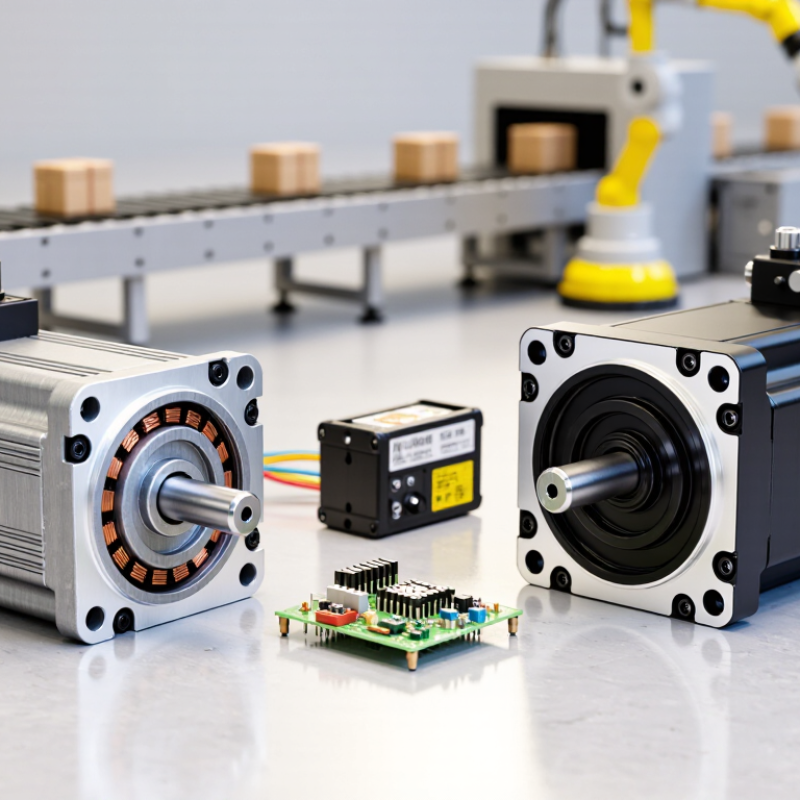
Why Choose a DC Motor for Your Application?

What Is a DC Motor and How Does It Work?

Why Choose a DC Motor for Your Application?

A DC motor converts electrical energy into mechanical rotation. Its stator creates a magnetic field, while current flows through the rotor’s armature. The interaction produces torque. In brushed designs, a commutator reverses current through the coils as the rotor turns. This keeps the shaft moving in one direction. Simple, but not effortless.

The International Energy Agency reports that electric motor systems consume more than half of global electricity. Choosing an efficient motor therefore affects operating cost and emissions. DC motors suit battery equipment, small actuators, pumps, and mobile machines because speed control is direct. Adjusting voltage or pulse-width modulation changes average speed. They also provide strong starting torque. That matters when a conveyor starts under load. However, brush friction creates wear, heat, and electrical noise. Brush replacement can become a maintenance issue. Brushless DC motors remove this weakness through electronic commutation, but they need a controller and careful tuning. In practice, the neat theory gets messy.

Tips: Check the load curve, starting torque, duty cycle, ambient temperature, and available voltage. The U.S. Department of Energy recommends evaluating the complete motor-driven system, not the motor alone. Measure real operating conditions when possible. A laboratory rating may not match a dusty workshop. I have seen undersized motors overheat quickly, even when their nameplate ratings looked acceptable. Allowing a safety margin helps, but excessive oversizing can reduce efficiency and control quality.
Which Operating Features Make DC Motors Useful?

A DC motor is useful when an application needs responsive, controllable motion. Its speed can change smoothly by adjusting voltage or using a controller. Reversing direction is also straightforward. That matters. In a conveyor, actuator, or small pump, operators can tune movement without redesigning the entire mechanical system.

DC motors usually deliver strong starting torque, especially at low speed. This helps a loaded mechanism begin moving without excessive delay. Their torque-speed behavior is also predictable, making sizing easier during engineering tests. In practical trials, measuring current during startup reveals more than relying on rated power alone. A motor may run well unloaded but struggle when friction, inertia, or temperature increases.

Brushless designs can reduce brush wear and routine maintenance. Brushed designs may offer simpler control and lower initial complexity. Neither option is perfect. Brushes can create electrical noise and require inspection, while brushless systems need suitable electronic control. Heat is another operating concern. Continuous overload can damage insulation, shorten bearing life, and reduce efficiency. Feedback sensors can improve speed accuracy, but they add wiring, cost, and possible failure points. I have found that the “best” motor depends less on headline power and more on duty cycle, load changes, available space, and maintenance skill. Careful testing remains essential.

How Do DC Motors Compare With Other Motor Types?

When engineers compare motor types, they usually begin with speed control, torque, cost, and maintenance. It depends.

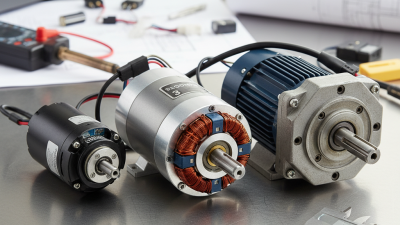
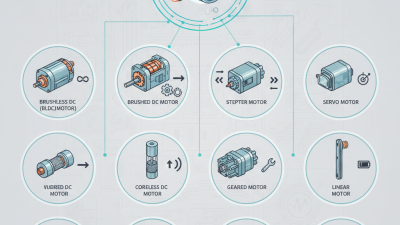
A brushed DC motor responds quickly to voltage changes. Its simple controller suits battery-powered tools, small pumps, and mobile equipment. Low-speed starting torque is a practical advantage. However, brushes wear, create electrical noise, and eventually require replacement. That weakness matters in dusty factories or equipment running continuously. Brushless DC motors remove brush wear, but their electronic controllers add design effort and cost. Not every application needs that complexity.

AC induction motors are strong choices for fixed-speed industrial machinery. They tolerate demanding duty cycles and often need little routine maintenance. Yet precise speed control may require an inverter, adding wiring, programming, and heat-management concerns. A DC motor can provide smoother adjustment in a compact system. For example, a conveyor can slow from 1,200 to 500 revolutions per minute with straightforward feedback. Stepper motors offer accurate positioning in some applications, but sudden loads may cause lost steps. Servo systems correct position more actively, although sensors and tuning increase expense. Not always.

Selection should follow measured load data, not habit. Check starting torque, duty cycle, ambient temperature, noise limits, and available power. In testing, a motor that looks efficient on paper may run hot after repeated starts. That detail is easy to miss. Engineers should compare total ownership cost, including controllers, cooling, servicing, and downtime. A brushed DC motor may suit intermittent operation, while brushless or AC designs may fit continuous production better. The first choice sometimes needs reconsideration.

What Factors Should Guide Your DC Motor Selection?

Why Choose a DC Motor for Your Application?

What Factors Should Guide Your DC Motor Selection?

Selecting a DC motor starts with the load, not the catalog. Measure required torque, speed, acceleration, and reversing frequency. A conveyor carrying uneven boxes needs different behavior than a fan. Record peak and continuous demand separately. This simple test can prevent oversized motors and wasted energy.

Efficiency deserves serious attention. The International Energy Agency’s Energy Efficiency 2017 report estimates that electric motor systems consume about 53% of global electricity. The U.S. Department of Energy reports that motor systems use roughly 70% of industrial electricity in the United States. These figures make operating losses expensive.

Compare motor efficiency, controller losses, standby draw, and duty cycle. A higher purchase cost may deliver lower lifetime costs.

Check the power supply, starting current, braking method, enclosure, noise, and ambient temperature. IEC 60034-1 provides general requirements for rotating electrical machines, but field testing remains essential.

Dust, washdown, vibration, and limited ventilation can change the selection. Brush wear matters during frequent cycling. Brushless designs may reduce maintenance, though their control electronics add complexity.

I have seen calculations fail when friction was treated as constant. Leave practical margin, then test the motor under real load. A perfect spreadsheet is not enough.

Where Are DC Motors Commonly Used?

DC motors are common where equipment needs controlled motion, compact power, and practical speed adjustment. They work especially well in battery-powered products because their operating principles are straightforward. Designers can also control speed by changing voltage or using electronic control systems.

You will find DC motors in portable tools, toys, small fans, pumps, and household appliances. They also drive window lifts, seat adjusters, cooling systems, and other vehicle actuators. In warehouses, conveyor systems use them to move packages at controlled speeds. Robots use compact DC motors for wheels, joints, grippers, and positioning mechanisms. Medical devices may use them in pumps or adjustable components, where smooth movement matters.

Brushless DC motors Brushless DC motors suit equipment requiring long service life and reduced maintenance. Brushed motors remain useful when cost, simple control, and short operating cycles matter more. That choice is not always obvious. Engineers should check load torque, starting current, duty cycle, noise, heat, and available space. A motor that works well on a test bench may struggle after hours of repeated operation. Real-world testing exposes problems that calculations can miss. Dust, vibration, and temperature changes can also reduce performance. In my experience, selecting only by rated power often creates trouble. The better approach considers the complete motion system, including the controller, gearbox, wiring, and load. Small details matter.