China Best Gear Motor Types for Superior Performance and Efficiency?
In the rapidly evolving landscape of industrial automation, gear motors have emerged as indispensable components. A report from the International Gear Motor Association highlights that gear motors account for approximately 30% of the total electric motor market, underlining their significance in enhancing performance and efficiency. Gear motors combine high torque with compact design, making them ideal for various applications, from robotics to conveyor systems.
Industry expert Dr. Henry Liu emphasizes, “The future of machinery lies in the innovative use of gear motors. Efficiency and performance are no longer optional.” His insights reflect the growing reliance on gear motors to meet stringent efficiency standards. However, while gear motors offer remarkable advantages, some users may overlook the importance of selecting the right type for their specific needs.
This selection process can be daunting. With various styles available, from inline to right-angle gear motors, the choices can be overwhelming. Many users may not fully understand the implications of their decisions, potentially leading to inefficiencies. The discussion around gear motors not only highlights their potential but also calls for reflection on optimal selection strategies to truly harness their power.
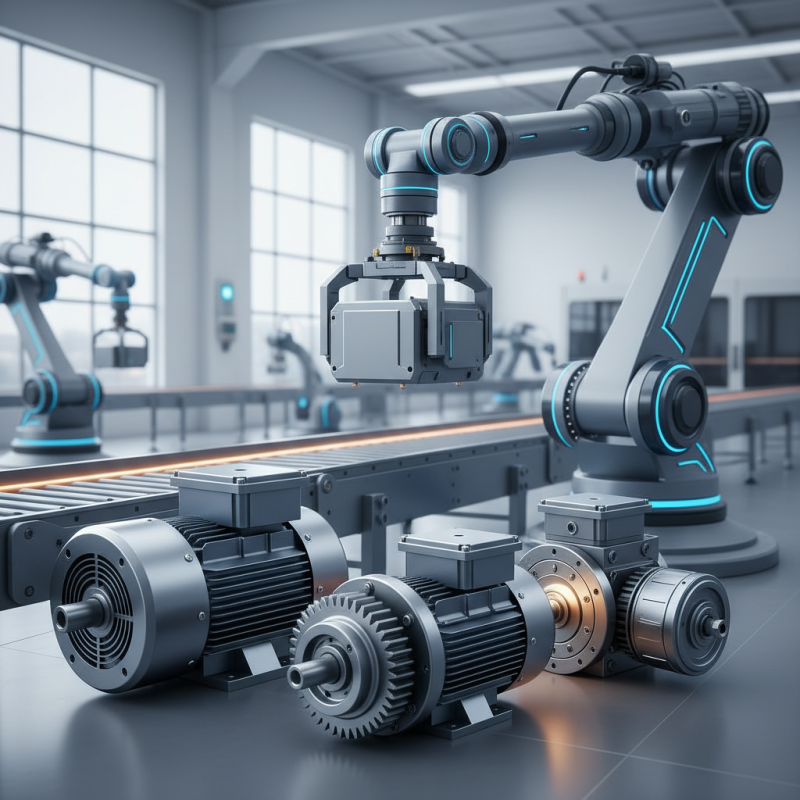
Types of Gear Motors Commonly Used in China’s Industry
In the industrial landscape of China, gear motors play a vital role. They are essential in various applications, from automation to transportation. According to a recent report by the China Machinery Industry Federation, gear motors constitute nearly 25% of the total motor market. This highlights their significance in enhancing operational efficiency.
Common types of gear motors include helical, bevel, and worm gear motors. Helical gear motors are favored for their high efficiency and quiet operation. They are widely used in conveyor systems due to their reliable performance. Bevel gear motors, on the other hand, are useful in applications requiring angular changes in motion. They offer versatility in design but may require more maintenance over time. Worm gear motors excel in applications that demand a high reduction ratio, though they can exhibit lower efficiency.
Despite their benefits, the industry faces challenges. The demand for energy-efficient motors is rising. Yet, not all gear motors meet the latest efficiency standards. According to the International Energy Agency, up to 30% of industrial motors in China are inefficient. This gap presents opportunities for improvement in design and manufacturing practices. As industries evolve, embracing more advanced gear motor technology becomes imperative for enhanced performance and sustainability.
Key Performance Metrics for Selecting Gear Motors
When selecting a gear motor, key performance metrics play a vital role in achieving superior efficiency. The torque output, defined in Nm, is crucial. Typical gear motors offer torque ratings between 1 Nm and 100 Nm, depending on their design and application. Higher torque enables better performance in high-load scenarios. Efficiency ratings, often expressed as a percentage, can range from 70% to 95%. A motor with a higher efficiency rating translates into reduced energy consumption.
Another important metric is the gear ratio. It impacts the speed and torque of the output shaft. Common gear ratios are between 3:1 to 100:1, often dictated by application needs. A lower ratio assists in applications requiring high torque, while a higher ratio is suitable for speed-focused projects. Research indicates that gear motors with optimized gear ratios can enhance overall system performance.
Tips: Match the motor’s torque rating closely with your application’s requirements. This alignment will minimize wasted energy. Regularly review the efficiency metrics to ensure sustainability and cost-effectiveness. Investing in the right gear motor optimizes your machinery and boost productivity significantly. Avoid rushing through the selection process; taking time to assess needs thoroughly will yield the best outcomes.
China Best Gear Motor Types for Superior Performance and Efficiency
| Gear Motor Type |
Torque (Nm) |
Speed (RPM) |
Efficiency (%) |
Weight (kg) |
| Helical Gear Motor |
50 |
150 |
90 |
25 |
| Bevel Gear Motor |
75 |
100 |
85 |
30 |
| Planetary Gear Motor |
100 |
200 |
92 |
20 |
| Worm Gear Motor |
40 |
80 |
80 |
35 |
Energy Efficiency Ratings of Gear Motors in Different Applications
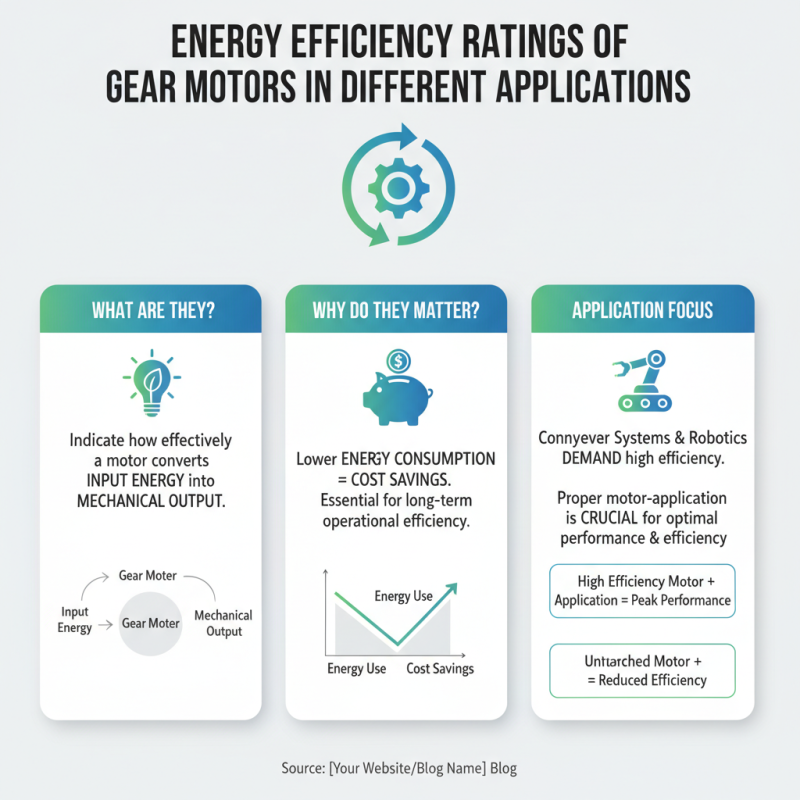
When selecting gear motors for various applications, energy efficiency ratings play a crucial role. These ratings indicate how effectively a motor converts input energy into mechanical output. High ratings often lead to lower energy consumption, which is essential for cost savings. Applications like conveyor systems or robotics demand gear motors that prioritize efficiency. A motor may excel in performance but could suffer in energy efficiency if not properly matched to its application.
Different gear motor types offer varying benefits. For instance, planetary gear motors are compact and highly efficient. They work well in tight spaces while maintaining high torque output. Conversely, worm gear motors are excellent for applications needing high reduction ratios but may lag in energy efficiency. The selection process requires careful consideration of the specific application demands and how the motor responds under load.
It's worth noting that while some motors perform exceptionally in laboratory settings, real-world conditions can differ. Factors like ambient temperature and load variations can affect performance. Understanding these aspects is vital for optimizing energy efficiency in practical situations. Adapting the choice of gear motor based on real-life testing can lead to improved outcomes.
Application-Specific Gear Motors: Customization and Solutions
Application-specific gear motors play a vital role in enhancing performance and efficiency across various industries. The customization of gear motors helps meet unique operational demands. According to a report by Markets and Markets, the global gear motor market is projected to reach $21.1 billion by 2025, reflecting a compound annual growth rate (CAGR) of 6.5% from 2020 to 2025. This growth indicates a rising need for tailored solutions in different applications.
Customization often includes adjusting gear ratios, power ratings, and sizes to suit specific tasks. For example, a gear motor designed for food processing might need to resist corrosive materials, while motors for warehouse automation require robustness and reliability. Data from Grand View Research suggests that approximately 70% of manufacturers are now prioritizing customized solutions over off-the-shelf products. This shift emphasizes the importance of specialized gear motors in achieving optimal efficiency in diverse operating conditions.
However, the road to customization isn't without challenges. The design process can be complex and time-consuming. Manufacturers face difficulties in balancing performance and cost. Each application can present unique obstacles that impact efficiency. Understanding these variables is crucial for designers. Continuous evaluation of specific needs can lead to innovative solutions, fostering an environment for improvement. The industry must reflect on these complexities to achieve better outcomes.
Emerging Technologies in Gear Motor Design for Enhanced Performance
Emerging technologies in gear motor design significantly enhance performance and efficiency. Recent studies indicate that advancements in materials and manufacturing processes lead to weight reduction and better energy consumption. For instance, the use of high-strength alloys can improve durability and reduce wear, translating to longer service life. Enhanced lubrication systems can improve efficiency by up to 15%, according to industry reports.
Design innovations like the integration of IoT sensors in gear motors allow for real-time monitoring. This data-driven approach helps in predictive maintenance, reducing downtime. However, while the benefits are apparent, challenges remain, such as the cost of these advanced technologies. Companies must weigh the initial investment against long-term gains in performance.
Tip: Consider analyzing your current motor systems. Small adjustments or upgrades may yield significant benefits.
In the quest for efficiency, some manufacturers may overlook the importance of customizing gear motors for specific applications. Standard solutions don't always meet the performance needs of unique setups. Careful attention to design can unlock substantial performance improvements.
Tip: Regularly review your gear motor applications to ensure optimal performance. Enhanced designs can cater better to specific operational requirements.
China Best Gear Motor Types for Superior Performance and Efficiency