Why Choose a 3V DC Motor for Your Production Needs?
In today's manufacturing landscape, precision and efficiency are paramount. The choice of the right components can significantly impact production outcomes. One often-overlooked option is the DC motor 3V. This compact and efficient motor type offers unique advantages that can streamline operations.
Many industries benefit from integrating a DC motor 3V into their systems. These motors provide reliable performance in tight spaces. They are known for their longevity and consistent power, which can increase overall productivity. However, it's critical to consider specific application needs before making a decision.
Emphasizing versatility, the DC motor 3V can adapt to various uses, from robotics to small appliances. Choosing the right motor requires careful reflection on efficiency and output requirements. Ultimately, the decision should align with production goals while balancing innovation and practicality.
Understanding the Basics of 3V DC Motors in Manufacturing
3V DC motors are popular in many manufacturing processes. Their small size and lightweight design make them ideal for compact applications. These motors operate efficiently at low voltage, which is suitable for various environments. They are often used in robotics, small machinery, and consumer products.
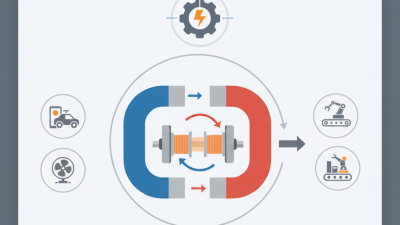
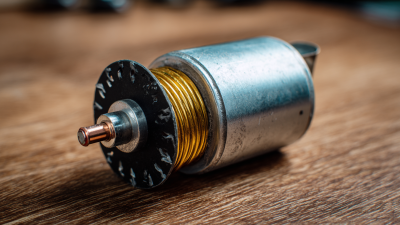
Understanding how these motors work is essential. A 3V DC motor converts electrical energy into mechanical energy. It consists of a rotor, stator, and commutator. The rotor spins when electricity flows, creating motion. However, users sometimes overlook maintenance. Dust and wear can reduce their efficiency. It's crucial to regularly inspect and clean these motors.
Choosing a 3V DC motor comes with advantages and challenges. They are cost-effective and easy to integrate. However, their torque capabilities are limited compared to larger motors. Manufacturers should consider their specific needs carefully. Balancing power and size is key when selecting the right component.
Key Benefits of Using 3V DC Motors for Production Applications
3V DC motors are gaining popularity in production applications due to their versatile nature and efficiency. They provide a reliable power source, especially in low-voltage environments. According to a recent industry report, nearly 40% of manufacturers prefer 3V DC motors for their compact size and ease of integration into various systems. This size flexibility allows for space-saving configurations in crowded production lines.
One key benefit of using 3V DC motors is their energy efficiency. Many units can achieve efficiency rates exceeding 85%. This translates to reduced operational costs over time. Furthermore, their low noise levels enhance workplace comfort. Despite these advantages, users still face challenges such as a limited torque range. This limitation can hinder their use in high-demand applications.
In addition, 3V DC motors are praised for their durability. They often feature robust construction, making them suitable for diverse industrial conditions. However, maintenance practices are essential to ensure long-term reliability. Regular checks can prevent unexpected failures, allowing production to flow smoothly. Adapting to these nuances can significantly enhance operational effectiveness.
Comparing 3V DC Motors with Other Motor Types for Efficiency
When it comes to selecting a motor for production, efficiency is crucial. A 3V DC motor is often a preferred choice for various applications. These motors are compact and lightweight, making them ideal for small devices. Their simple design allows for easy integration into automation systems. Moreover, they offer lower power consumption compared to higher voltage motors, which can significantly reduce energy costs over time.
In contrast, AC motors tend to be bulkier and may require more complex control systems. Stepper motors provide excellent precision but often sacrifice speed and efficiency. While these alternatives have their specific advantages, they may not be suitable for every production scenario. A 3V DC motor strikes a balance between performance and energy efficiency, proving to be a reliable choice in many cases.
However, reliance on 3V DC motors can also pose challenges. For high-torque applications, these motors might fall short. Their lower voltage can limit their capability in certain situations. It is essential to evaluate your specific needs and perform thorough testing. This careful consideration will ensure that you make an informed decision.
Efficiency Comparison of 3V DC Motors vs. Other Motor Types
Factors to Consider When Selecting a 3V DC Motor for Production
When selecting a 3V DC motor for production, there are crucial factors to consider. Precision in voltage and current ratings is essential. A study published by the International Journal of Electrical Engineering & Technology reveals that an incorrect voltage can lead to a 20% reduction in performance efficiency. This can significantly impact production timelines. Ensuring compatibility with the system is vital.
Another aspect is the torque requirement. Many applications demand specific torque levels. Depending on the load, a 3V motor with inadequate torque can stall. According to research from the IEEE, motors operating at their optimal torque levels often result in a 15-30% increase in productivity. It's important to assess not only the torque but also the dynamic response of the motor under load conditions.
Lastly, consider the motor's lifespan and reliability. Data from industry reports suggest that a well-chosen motor can last up to 50% longer. However, many overlook maintenance needs, which can shorten a motor's life. Reflecting on these factors ensures you make an informed decision, potentially avoiding costly production downtime. Finding the right balance between performance, cost, and durability will ultimately improve overall operational success.
Why Choose a 3V DC Motor for Your Production Needs? - Factors to Consider When Selecting a 3V DC Motor for Production
| Factor |
Description |
Importance Level |
| Voltage Compatibility |
Ensure the motor operates effectively at 3V. |
High |
| Load Capacity |
The motor must handle the specific workload of the application. |
High |
| Speed Range |
Consider the required RPM for your application. |
Medium |
| Size and Weight |
Physical dimensions that fit within your design constraints. |
Medium |
| Efficiency |
Energy consumption relative to output power. |
High |
| Cost |
Budget considerations for procurement. |
Medium |
| Noise Level |
Noise produced during operation, important for certain applications. |
Low |
| Longevity |
Expected lifespan and reliability under operational conditions. |
High |
Applications of 3V DC Motors in Various Industries and Processes
3V DC motors are versatile components used across various industries. Their compact size and efficient design make them ideal for applications in robotics, consumer electronics, and medical devices.
In robotics, these motors provide precise control. They can power small mobile platforms or actuators, ensuring accuracy in movement.
In the consumer electronics industry, 3V DC motors help power everyday devices such as toys and remote controls. Their ability to run quietly and efficiently makes them a favorite among manufacturers. In medical devices, these motors assist in functions like pumps and precision instruments.
However, some engineers may overlook the torque limitations of 3V motors, leading to less optimal performance in demanding applications.
The flexibility of 3V DC motors extends to automation processes as well. These motors can be integrated into assembly lines to drive conveyor belts or robotic arms. While they are suitable for light-duty applications, it’s crucial to evaluate the specific requirements. Many users find that understanding the load and duty cycle is vital. Ultimately, ensuring the right motor choice can enhance productivity and efficiency. It’s an area worth exploring further.