How to Choose the Right DC Motor for Your Project?
Choosing the right DC motor for your project is crucial. According to a report from Research and Markets, the DC motor market is projected to reach approximately $22 billion by 2026. This growth underscores the importance of making informed decisions when selecting these essential components. Steve Johnson, a renowned expert in motor technology, emphasizes, "The right DC motor can be the difference between a successful project and a failure."
Selecting a DC motor involves many considerations. Factors such as voltage, torque, and speed specifications must align with your project’s needs. The wrong choice can lead to inefficiency, increased costs, or project delays. It’s easy to overlook these details, but they are pivotal.
Understanding your application's requirements is key. Analyze the load and operational environment. Many underestimate the impact of these factors. A detailed analysis prevents potential setbacks. The landscape of DC motors is vast and complex, yet a well-informed choice leads to greater reliability and performance.
Understanding the Basics of DC Motors and Their Applications
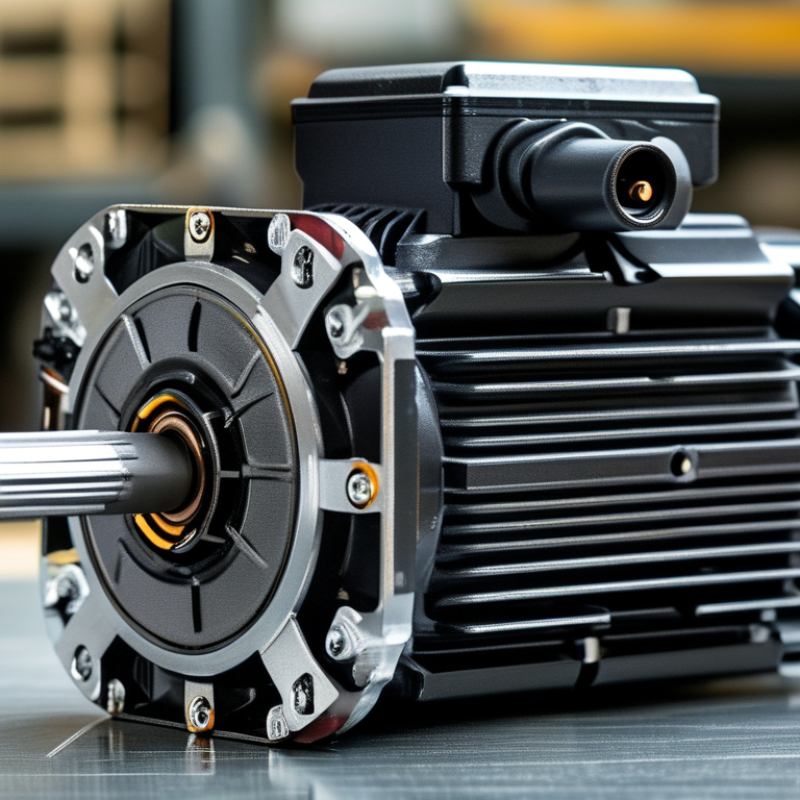
DC motors are versatile machines widely used in various applications. Understanding their basic principles helps in choosing the right one for your project. These motors operate on direct current and convert electrical energy into mechanical energy. They often come in brushed and brushless varieties, each with distinct features and benefits. Brushed motors are simpler and cheaper but require more maintenance. Brushless motors offer higher efficiency and longevity.
Tips: Consider the power requirements of your project. A motor with the right torque and speed rating will enhance performance. Evaluate the load your motor will experience during operation. Underestimating load can lead to motor failure.
Additionally, think about the environment where the motor will operate. Dusty or wet conditions may affect the motor’s lifespan. Choosing the right enclosure can mitigate potential issues. Don’t overlook control methods. Different projects may demand varied control systems, like PWM for speed regulation. Being detailed in this decision-making process is crucial.
Identifying Key Specifications for Your Project Requirements
Choosing the right DC motor requires careful consideration of several key specifications. For example, voltage ratings significantly impact performance. Typically, a motor with a higher voltage can produce more torque. However, this might not be suitable for all projects. Depending on the application, you may not need that extra power.
Another critical aspect is the RPM (rotations per minute). A motor's speed affects the overall efficiency of your project. According to industry standards, a motor's optimal RPM should match the operational needs. If it doesn’t, you may face issues like overheating or decreased lifespan.
Torque is equally vital. It determines how much load a motor can handle without stalling. Many applications report that torque ratings should align with the desired performance. A mismatch may lead to trial and error, accumulating unnecessary costs. Evaluating the load characteristics is essential yet often overlooked. Without this step, you risk inefficient performance or project failure.
Evaluating Motor Performance Factors: Torque, Speed, and Efficiency
Choosing the right DC motor involves understanding crucial performance factors. Torque is one key aspect. It affects how much force the motor can exert at a given speed. More torque means better performance for heavier loads. If your project requires lifting or moving substantial weight, prioritize torque specifications.
Speed is another significant factor. Each project requires different speeds to function effectively. For example, robotics and industrial applications may need high speeds. Alternatively, consumer devices might work better with slower motors. Evaluating the required RPM (Revolutions Per Minute) ensures you meet your project needs without overloading the motor.
Efficiency should also be considered. An energy-efficient motor saves power and reduces operational costs. However, efficient motors may come with trade-offs in torque or speed. Understanding these trade-offs is essential for project success. You might find it challenging to balance these aspects. Reflecting on your project's specific needs can help clarify which characteristics matter most. Tailoring your motor choice to these factors can enhance overall performance.
Selecting the Right Power Supply for Your DC Motor
When selecting a power supply for your DC motor, multiple factors come into play. Voltage and current ratings are critical. A mismatch can lead to motor underperformance or damage. According to industry reports, voltage should match the motor's rated value. Choosing a supply with a voltage higher than the rating can lead to overheating. Additionally, consider the current requirement, as motors often need more current during startup.
Efficiency matters as well. A power supply with high efficiency minimizes energy loss and heat generation. Look for supplies rated above 85% efficiency. This statistic directly impacts operational costs over time. Power supplies with poor efficiency can increase operational expenses and decrease lifespan.
It's vital to account for noise and ripple voltage in your selection. Excessive ripple can adversely affect performance and reliability. Manufacturers recommend keeping ripple voltage below 5% of the supply voltage. This ensures smooth and consistent motor operation. Despite these guidelines, realize that real-world scenarios may differ. Testing your configurations is essential for optimal performance.
Choosing the Right Power Supply for Your DC Motor
This chart illustrates the relationship between voltage, current, and power requirements for different DC motor applications. Understanding these parameters is crucial for selecting the appropriate power supply for your project.
Comparing Different Types of DC Motors for Specific Uses
When selecting a DC motor, understanding the specific types available is crucial. The choice affects efficiency and performance in applications ranging from robotics to automotive. Brushed DC motors are common for low-cost options. They offer simplicity and have a long history of reliability. However, they require regular maintenance due to brush wear.
Brushless DC motors are another choice. They provide higher efficiency and longer lifespans. In fact, reports indicate they can achieve efficiencies above 90%, making them ideal for applications needing prolonged use. However, brushless motors come with a higher price tag and more complex control systems. In critical projects, performance differences can become significant.
Consider the load requirements of your application. A high-torque motor might be necessary for heavy machinery. For small drones, a lightweight motor can improve flight time. A 2022 industry report highlighted that motors with good torque-to-weight ratios boost overall efficiency. Users often overlook matching the motor to the system's power needs, leading to underperformance or overheating. Insights like these are vital for effective motor selection.