How to Choose the Right Gearedmotor for Your Needs?
Choosing the right gearedmotor can be challenging. The options are varied, and each application has specific needs. Experts like Dr. Alice Thompson, a leading authority in the gearedmotor industry, emphasize, “Understanding your requirements is key to selecting the appropriate gearedmotor.”
To navigate this decision, consider several factors. The size and power requirements of your project play crucial roles. A tailored gearedmotor can enhance efficiency and performance. Occasionally, users overlook the importance of torque and speed specifications.
Inadequate understanding of your needs often leads to costly mistakes. Some might rush the selection process, only to find it incompatible later. Aim to balance performance with energy efficiency. The right gearedmotor will not only meet immediate needs but also adapt to future challenges.
Understanding the Basics of Gearedmotors and Their Applications
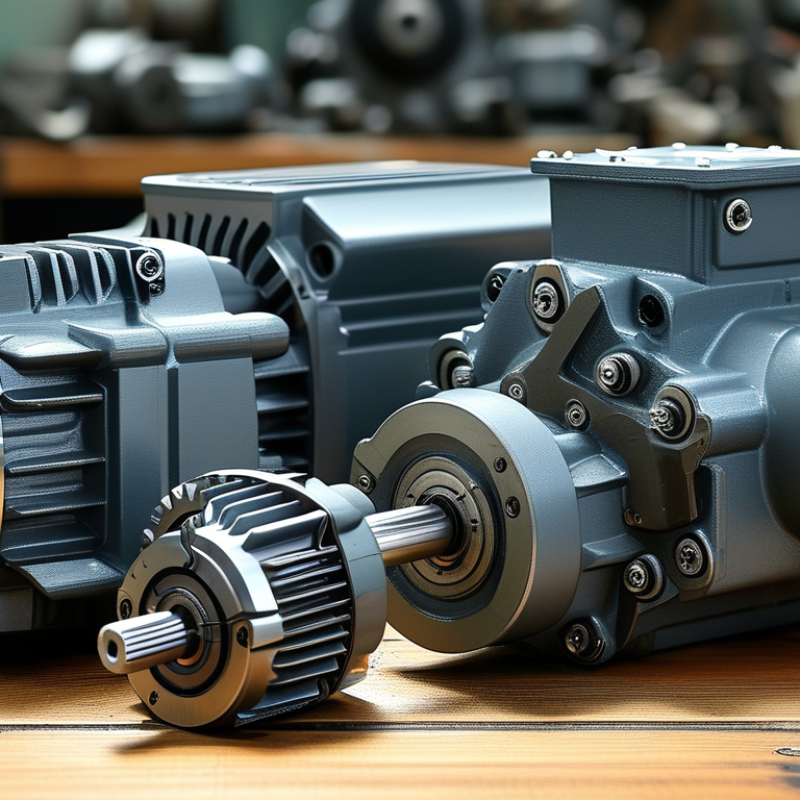
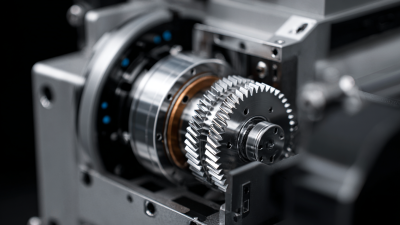
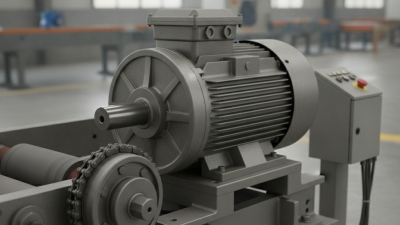
Gearedmotors are essential in various applications, from automation to transport. Understanding their components is the first step in choosing the right one. A gearedmotor combines a motor with a gearbox. This combination helps to provide increased torque while reducing speed. Knowing how these devices transform energy is crucial for effective use. For instance, in conveyor systems, a gearedmotor's output speed and torque must match the load requirements.
Different applications demand specific features. Some tasks require precision, while others need raw power. Consider the environmental factors too. Will the gearedmotor be exposed to dust or moisture? This will affect your choice. Also, be aware of the power source. Electric motors require a stable supply, while others may use batteries. This knowledge helps in making informed decisions.
Choosing the right gearedmotor often involves trial and error. Not every choice will yield optimal performance. Testing various options can lead to unexpected insights. Sometimes, consulting with an expert can provide guidance. Yet, it’s essential to continuously monitor performance. Identifying areas of improvement is vital. Progress is made through reflection and adaptation in this field. Understanding the basics allows for a solid starting point.
Understanding Gearedmotor Types and Their Applications
Identifying Key Specifications: Torque, Speed, and Power Requirements
Selecting the right geared motor involves understanding key specifications such as torque, speed, and power requirements. Torque, the rotational force that the motor can exert, is crucial for applications requiring heavy lifting or precise movement. According to industry data, torque ratings can range from 1 Nm to over 1000 Nm. For instance, in robotic applications, a geared motor with at least 5 Nm might be necessary for optimal performance.
Speed also plays a vital role. Motors can operate within speed ranges of 10 RPM to 3000 RPM, depending on the application. For conveyor systems, a typical speed might be around 50 RPM. However, higher speeds often lead to increased wear and reduced lifespan, something users often overlook. It's essential to balance speed with the application needs.
Finally, power requirements cannot be neglected. The power rating, measured in watts, indicates how much energy the motor consumes. Many applications require motors with power ratings between 50 W to 2000 W. Matching power needs is crucial for efficiency. Users sometimes underestimate power needs, leading to underperformance. Always consider safety margins to accommodate unexpected loads or operational changes. Balancing these specifications can be challenging but is vital for optimal performance.
Evaluating Gear Ratios for Optimal Performance and Efficiency
When selecting a geared motor, gear ratios play a crucial role in performance. Understanding how gear ratios affect torque and speed can lead to better efficiency in your applications. A higher gear ratio results in greater torque but lower speed. Conversely, a lower gear ratio offers higher speed with less torque.
Consider your specific needs. If you're working with heavy loads, a higher gear ratio might be beneficial. However, if speed is your priority, then it makes sense to opt for lower ratios. It's essential to assess load conditions and operational requirements prior to making a selection. Ignoring these aspects could lead to inefficiencies in performance.
Evaluating gear ratios also involves considering factors like energy consumption. A more optimized ratio may help reduce energy costs. However, an improper choice can lead to overheating and excessive wear. Thorough analysis and testing are often required to identify the perfect match for your application. This iterative process can help in refining choices and enhancing overall functionality.
How to Choose the Right Gearedmotor for Your Needs? - Evaluating Gear Ratios for Optimal Performance and Efficiency
| Application |
Required Torque (Nm) |
Motor Speed (RPM) |
Gear Ratio |
Efficiency (%) |
| Conveyor Belt |
20 |
60 |
5:1 |
85 |
| Robotic Arm |
10 |
150 |
10:1 |
90 |
| Pumping System |
15 |
30 |
7:1 |
80 |
| Mixer |
25 |
45 |
8:1 |
75 |
| Lift System |
30 |
20 |
15:1 |
88 |
Comparing Different Types of Gearedmotors: AC vs. DC vs. Servo
When selecting a geared motor, understanding the differences between AC, DC, and servo motors is crucial. AC geared motors are often favored for their durability and efficiency in industrial applications. According to industry reports, AC motors account for around 70% of the global motor market, thanks to their reliability and cost-effectiveness in heavy-duty scenarios. They excel in high-torque applications and are typically less expensive to maintain.
DC geared motors, on the other hand, offer precise speed control and are lighter. These motors are commonly found in robotics and consumer electronics. Reports indicate that the demand for DC motors has increased by approximately 20% in applications needing controlled speed and responsiveness. However, they may not be as robust as AC motors in extreme conditions. Choosing a DC motor requires a careful evaluation of the operational environment and load requirements.
Servo motors stand out for their accuracy in motion control. These motors usually integrate feedback systems for precision, making them ideal for applications requiring fine adjustments. While they tend to be more expensive, their performance justifies the cost in specific high-stakes industries. Industry estimates suggest that servo motor utilization may grow significantly, indicating their importance in evolving tech applications. However, the complexity of integrating servo systems can pose challenges, necessitating expertise and careful planning.
Assessing Quality and Reliability Factors in Gearedmotor Selection
Choosing the right gearedmotor is crucial for achieving efficiency in your projects. Assessing quality and reliability is a vital part of this process. A gearedmotor's performance depends on its construction and materials. Durable components resist wear and tear, which enhances longevity. Opting for precision gears can improve accuracy, but that comes with a trade-off in cost. Always consider the balance between budget constraints and performance requirements.
Another factor is the manufacturer’s reputation. Reliable brands typically offer better quality assurance. Researching customer reviews can provide insights into their reliability. However, sometimes, even well-known brands may deliver inconsistent quality. It's wise to consult industry forums or experts. Engaging with experienced users can help you identify hidden issues.
Maintenance also plays a role in reliability. Regular inspections can prevent unexpected failures. Don’t ignore early signs of wear. They often grow into bigger problems. Keep in mind that not all gearedmotors are created equal. Long-term reliability often requires careful evaluation and regular updates based on emerging technology. Your choice should reflect both current needs and future applications.