Top 5 Tips for Choosing the Right Motor Rotor?
Choosing the right motor rotor is critical for optimal performance. A motor rotor plays a vital role in converting electrical energy into mechanical energy. Selecting the right one can enhance efficiency and longevity.
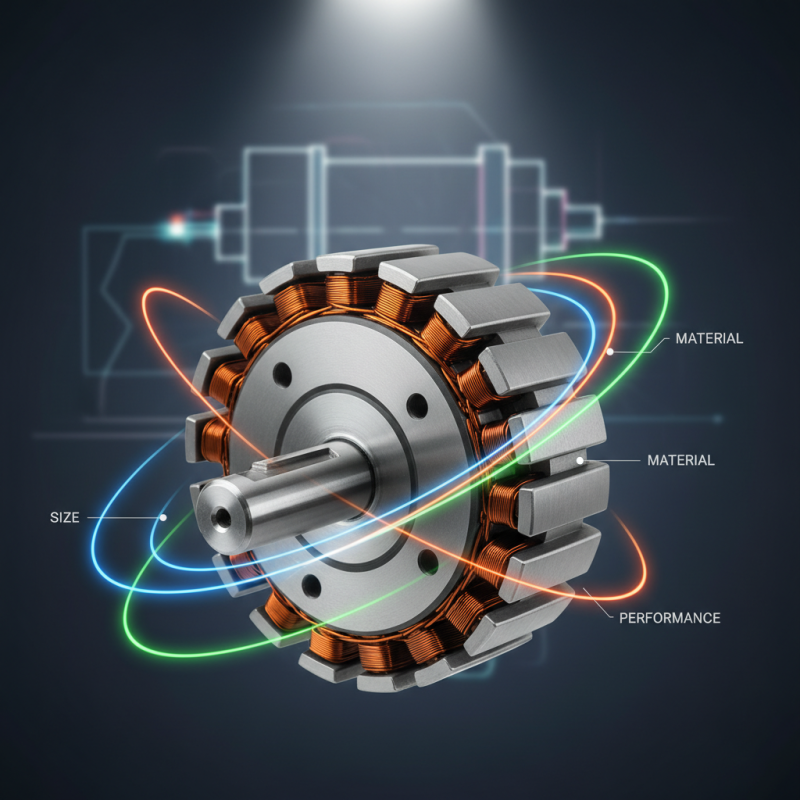
When you consider factors like size, material, and design, it can be overwhelming. Many options exist, and each has its own pros and cons. One might focus on performance while neglecting durability. This oversight can lead to frequent breakdowns and costly repairs.
Understanding your specific needs will guide your decision. Evaluating the rotor’s specifications is essential. Inevitably, you will face challenges in this selection process. However, informed choices lead to better outcomes. Ultimately, a well-chosen motor rotor can significantly improve system reliability and effectiveness.
Understanding the Role of Motor Rotors in Electrical Motors
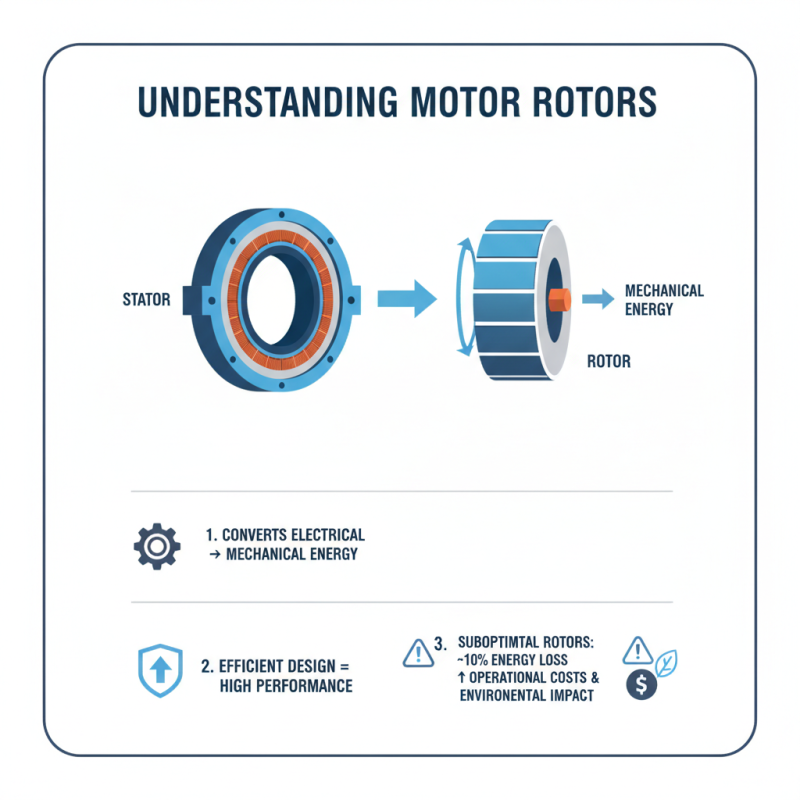
Motor rotors play a pivotal role in the operation of electrical motors. They are crucial components that convert electrical energy into mechanical energy. A good rotor design ensures high efficiency and performance. Industry reports indicate that efficiency losses in motors can be as high as 10% due to suboptimal rotor designs. These inefficiencies can lead to increased operational costs and environmental impact.
Choosing the right motor rotor involves understanding various factors, such as material composition and design. For example, rotors made from high-grade materials, like laminated silicon steel, can enhance performance. According to the International Electrotechnical Commission, using advanced materials can improve the efficiency of motors by 3-5%. Additionally, the rotor's size and shape must be compatible with the stator to optimize performance. This compatibility is often overlooked, leading to unexpected challenges.
Maintenance is another aspect requiring reflection. Regular inspection of the rotor can prevent overheating and mechanical failure. Over time, wear and degradation impact rotor performance. Investing in quality components pays off, but there is an ongoing need for vigilance in maintenance practices. Understanding these factors is key to maximizing the lifespan and functionality of electric motors.
Key Factors to Consider When Selecting a Motor Rotor
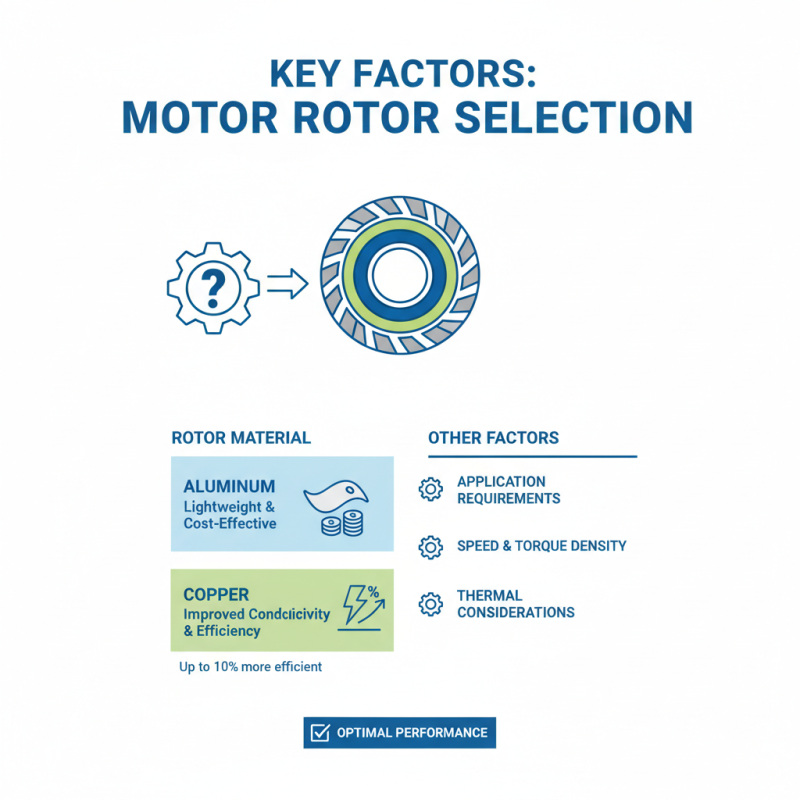
Choosing the right motor rotor involves considering several key factors. One critical aspect is the rotor material. A common choice is aluminum, known for its lightweight and cost-effectiveness. However, copper rotors offer improved conductivity and efficiency. According to industry reports, copper rotors can enhance overall motor efficiency by up to 10%.
Another important factor is rotor design and geometry. The configuration affects both performance and thermal characteristics. Rotors with optimized designs can dissipate heat effectively, thus prolonging motor life. Research shows that rotors designed for specific applications yield better performance metrics. For example, high-torque applications benefit from rotors with a particular winding structure, allowing for greater strength and durability.
It is also essential to consider the motor’s operational environment. Factors like temperature, humidity, and dust can impact rotor performance and lifespan. An inappropriate choice might lead to decreased efficiency or even failure. Understanding these conditions is vital. In industries where motors must operate continuously, a small efficiency drop can lead to significant energy losses over time. Always assess the specific requirements of your application and analyze trade-offs between cost and performance.
Different Types of Motor Rotors and Their Applications
When selecting a motor rotor, understanding the types available is crucial. Each type serves different applications, which can significantly impact performance. For instance, squirrel cage rotors are commonly used in industrial motors due to simplicity and durability. They excel in applications requiring consistent torque but may fall short in variable speed scenarios.
Another popular choice is the wound rotor. This type offers better control over the motor's speed and torque. Wound rotors are effective in situations where load changes frequently. However, the complexity of maintenance and initial cost can be a concern for some users.
When choosing a motor rotor, consider your specific needs. Ensure that the rotor type aligns with your application requirements. This could be torque consistency, speed variability, or overall efficiency. Different environments also influence rotor selection, such as temperature and humidity levels. Always seek expert advice if unsure. Balancing these factors will lead to better operational performance.
Evaluating Rotor Material and Build Quality for Performance
When selecting a motor rotor, evaluating material and build quality is crucial. The rotor's performance directly influences motor efficiency and longevity. Common materials used include aluminum, copper, and compounding plastics. Each has unique characteristics affecting weight, heat tolerance, and electrical conductivity.
Consider the rotor's design as well. Some rotors have a more intricate build, incorporating advanced engineering like cooling fins or optimized air gaps. These features help maintain optimal performance during operation. A well-built rotor reduces the risk of wear and overheating, ultimately extending motor life.
It’s essential to be critical about production quality. Not all manufacturers adhere to the same standards. Inconsistencies in build quality can lead to issues, including imbalance and inefficiency. Scrutinizing the manufacturer's reputation and their testing protocols can provide insights into the rotor's reliability. Understanding these factors helps ensure the investment is worthwhile.
Performance Evaluation of Different Motor Rotor Materials
Importance of Rotor Sizing and Compatibility with Motor Systems
Choosing the right motor rotor involves careful consideration of sizing and compatibility. Rotor sizing is crucial for maximizing efficiency and performance. If the rotor is too small, it may not provide adequate power. A rotor that's too large can cause stress on the motor system. Understanding the specifications of both rotor and motor is vital.
When selecting a rotor, check its dimensions against your motor's requirements. Compatibility can affect functionality. Improper fitting can lead to mechanical failures. Measurements must be precise. Additionally, ensure the rotor material matches the intended application. A mismatch here can cause unnecessary wear and tear.
Consider these tips: prioritize detailed specifications. Compare different models to understand performance variations. Read reviews from experienced users. Their insights may point out common pitfalls in rotor selection. Remember, each motor system is unique, and what works for one may not work for another. This journey may have uncertainties, but precise choices make a significant difference.