Why Motor Drive Technology is Essential for Modern Machinery?
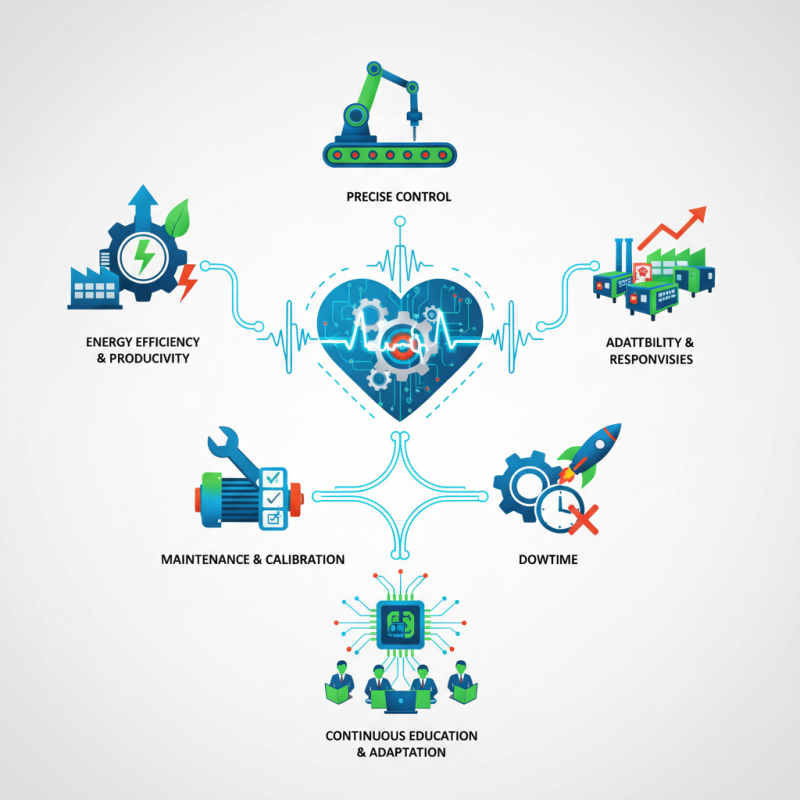
In today's fast-paced industrial landscape, "Motor Drive" technology plays a pivotal role in modern machinery. According to Dr. Emily Carter, a leading expert in the field, “Motor Drives are the heartbeat of efficient machinery.” This statement reflects the critical function that motor drives serve in various applications. They enable precise control of speed and torque in machines, enhancing productivity and energy efficiency.
The integration of motor drive technology transforms how industries operate. Equipment becomes more adaptable and responsive, meeting the demands of various processes. However, reliance on motor drives also presents challenges. Businesses must ensure proper maintenance and calibration to avoid downtimes. In some situations, companies overlook these factors, leading to inefficiencies.
As industries strive for innovation, the role of motor drives continues to evolve. Organizations must navigate the complexities of implementing advanced motor drive systems. This requires continuous education and adaptation. Companies that fail to invest in this technology risk falling behind in a competitive market. Ultimately, motor drive technology is not just important; it is essential for future success.
Significance of Motor Drive Technology in Automation and Robotics
Motor drive technology plays a critical role in automation and robotics. With the rise of Industry 4.0, reliance on electric motor systems has increased dramatically. According to a recent report by the International Society of Automation, nearly 70% of industrial applications now utilize motor drives for efficiency.
These systems allow for precise control of speed and torque. Robotics, in particular, benefits from this accuracy. For instance, robotic arms equipped with motor drives can perform tasks with an error margin of just 0.01 mm. This precision is essential in industries such as manufacturing and healthcare, where even minor discrepancies can lead to significant issues.
However, challenges remain. Many companies struggle with integrating new motor drive technologies into existing systems. The learning curve can be steep. As a result, operational efficiency often takes a hit during transitions. Reports indicate that around 40% of automation projects fail to realize their intended ROI due to such issues. Addressing these challenges is necessary to fully harness the potential of motor drive technology in modern machinery.
Key Performance Metrics of Modern Motor Drives in CNC Machinery
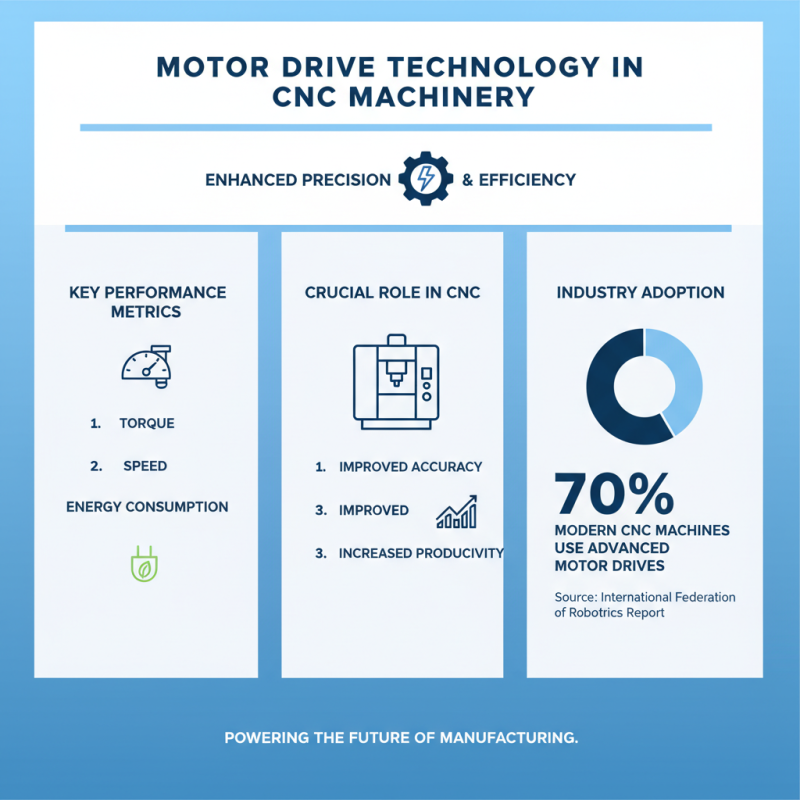
Motor drive technology plays a crucial role in CNC machinery, enhancing precision and efficiency. Key performance metrics include torque, speed, and energy consumption. According to a report by the International Federation of Robotics, around 70% of modern CNC machines now utilize advanced motor drives to meet rising productivity demands.
Torque is essential for maintaining consistent cutting performance. A higher torque rating allows CNC machines to handle tougher materials without stalling. Speed is equally important; studies show that machines with high-speed capabilities can reduce cycle times by up to 30%. This speed boost is vital in competitive manufacturing environments.
**Tips:** Ensure regular maintenance of motor drives. This can prevent performance dips and prolong equipment life. Energy efficiency is another area to watch. Up to 20% of energy can be saved through optimal motor drive settings. Monitoring energy consumption provides clear insights.
Staying updated with the latest technology can be challenging. Many manufacturers struggle to integrate new motor drive solutions into existing systems. Training staff on these technologies is essential but often overlooked. Without proper understanding, performance levels may stagnate. Regular assessments can help identify areas for improvement and adaptation.
Impact of Motor Drive Efficiency on Energy Consumption in Industries
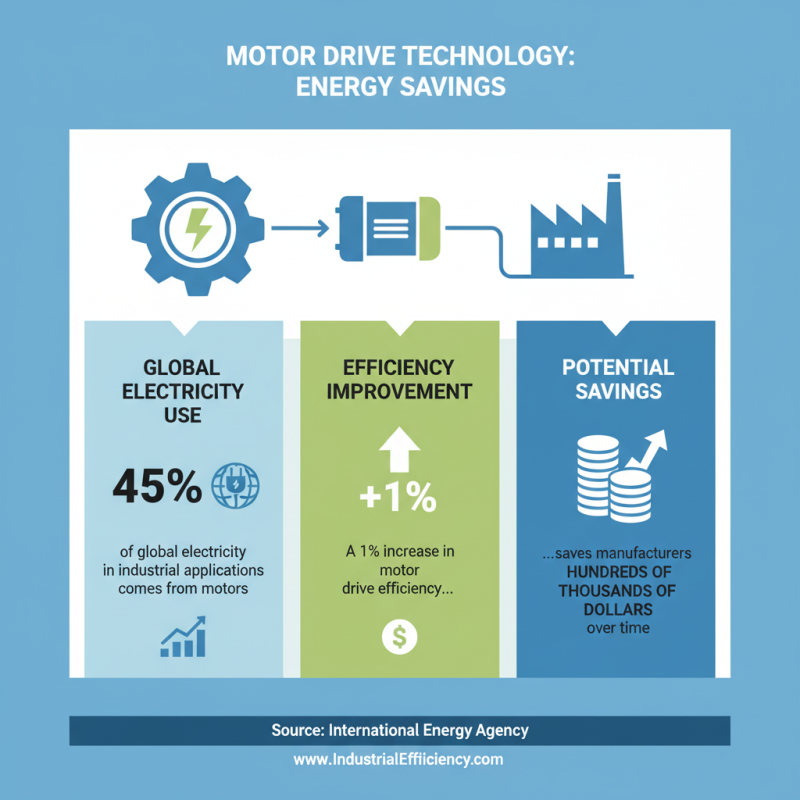
Motor drive technology plays a pivotal role in modern machinery, particularly regarding energy consumption. According to the International Energy Agency, motors account for about 45% of global electricity use in industrial applications. Improving motor drive efficiency can significantly reduce energy costs. A 1% increase in efficiency could save manufacturers hundreds of thousands of dollars over time.
However, many industries still rely on outdated systems. These outdated systems often lead to energy losses of 20-30%. Companies may overlook the long-term benefits of upgrading. This reluctance can stem from initial investment costs or a lack of awareness regarding energy waste.
Efficient motor drives can also enhance performance. Studies show that upgraded motor controls can improve output by 10%. Yet, some businesses hesitate to implement these changes. They might underestimate the cumulative savings on energy bills. In a world pressing for sustainability, it's crucial for industries to reconsider their approach to motor drive technology.
Advancements in Motor Drive Control Strategies for Precision Engineering
Motor drive technology plays a pivotal role in modern machinery. It governs how machines perform tasks with accuracy and efficiency. Recent advancements in motor drive control strategies enhance precision engineering significantly. New algorithms allow better control over speed and torque. This ensures that machinery operates at optimal levels, reducing wear and tear.
Tips: Regularly update your control strategies. This keeps your machinery at peak performance. Also, ensure proper calibration. It can prevent costly errors during operation.
However, not all advancements work seamlessly in every context. Some systems may require custom solutions. It's crucial to reflect on how different strategies impact performance. Testing and adjustments are often necessary. Measuring outcomes is key to understanding effectiveness. Addressing inconsistencies can lead to significant improvements.
Tips: Document changes meticulously. Analyze data to spot trends. This practice helps in refining future approaches to motor drive technology.
Future Trends in Motor Drive Technology and Their Industry Implications
Motor drive technology is rapidly evolving. This transformation is crucial for the efficiency of modern machinery. Emerging trends indicate a shift towards smarter control systems and increased energy efficiency. These advancements promise enhanced performance and lower operational costs.
Industries are harnessing motor drives fitted with artificial intelligence. This integration allows for predictive maintenance, minimizing downtime. Such technology can detect issues before they escalate. However, companies must consider potential challenges, including the cost of upgrading existing systems.
Tips: Look for local training programs that offer insights into the latest motor drive technologies. Staying informed is key to leveraging these advancements effectively. Collaboration with tech experts can also navigate this evolving landscape.
Another trend is the move towards sustainable practices. More manufacturers are focusing on eco-friendly motors. But, transitioning to greener options often comes with growing pains. Evaluating supply chains and adapting processes are essential steps.
Tips: Start small. Test new technologies in controlled environments before a full-scale rollout. This approach reduces risks and optimizes learning opportunities.
Future Trends in Motor Drive Technology Adoption
This chart illustrates the projected adoption rates of motor drive technology across various applications by 2025. As industries increasingly focus on automation and energy efficiency, motor drive technology becomes crucial in sectors such as industrial robotics and electric vehicles.