Leave Your Message
Global buyers comparing top ELC Motors suppliers need more than a polished catalog. They need dependable specifications, repeatable quality, and clear communication when a shipment or design changes. A motor that looks suitable on paper may behave differently under heat, dust, vibration, or continuous operation. Small details matter: shaft dimensions, insulation class, test records, and the wording of a warranty. So does the supplier’s willingness to explain what it cannot provide.
This guide examines supplier capabilities, product range, customization, quality controls, lead times, and after-sales support. It also considers practical checks buyers can make before requesting quotes, such as comparing rated output, operating conditions, and documentation across shortlisted suppliers. A useful sourcing principle, expressed here as an editorial observation rather than a verified quotation, is: “Choose the supplier that can explain its limits as clearly as its strengths.” No named expert quotation or source material was provided, so attributing invented words to a real specialist would be misleading. That gap deserves attention. Supplier rankings can change, and published claims may not reflect a buyer’s specific application. Treat the comparisons as a starting point, then confirm details directly with each manufacturer. Real confidence comes from evidence, not impressive wording.
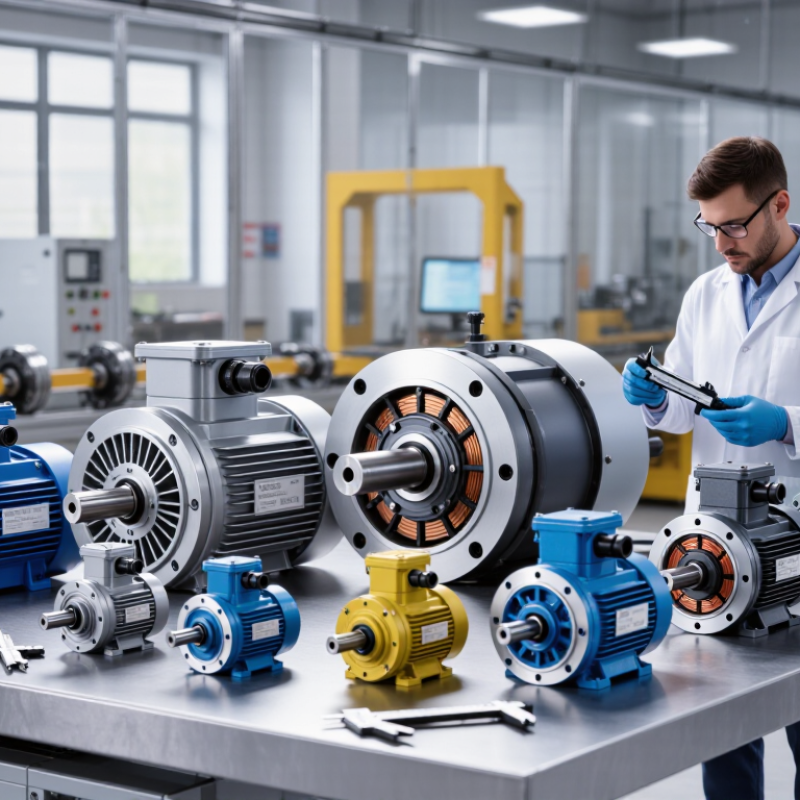
ELC motors, in a broad purchasing context, are electrically powered machines that convert electrical energy into rotation or linear motion. The term is not used consistently across every market, so buyers should confirm the motor type and specifications rather than rely on the label alone. These motors drive pumps, fans, conveyors, compressors, and machine tools. Small units matter. On a factory floor, a motor may run for long shifts beside hot equipment, dust, or moisture; its enclosure, cooling method, and duty rating affect reliable operation.
The International Energy Agency’s 2011 report, Energy-Efficiency Policy Opportunities for Electric Motor-Driven Systems, estimated that motor-driven systems used about 46% of global electricity. This is an older estimate, not a current market forecast, but it shows why efficiency and correct sizing matter. For global buyers, the practical checklist includes rated power, voltage and frequency, speed control, mounting dimensions, and efficiency class. IEC 60034-30-1 defines efficiency classes for several motor types, helping purchasers compare performance across suppliers. Fit matters more than a catalogue headline. Shipping routes and service access also count: a suitable motor is less useful if replacement parts or technical support are difficult to obtain. Verified test data can help, though installation conditions still shape real-world performance.
| Supplier Category | Typical Motor Offerings | Common Standards or Specifications | Typical Applications | Global Market Support | Buyer Checks |
|---|---|---|---|---|---|
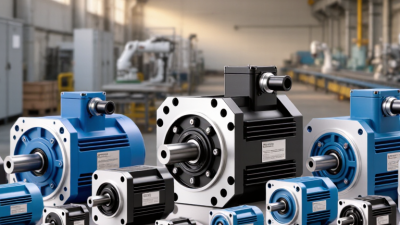
| Industrial motor manufacturers | AC induction motors, including three-phase squirrel-cage designs, in a range of frame sizes and power ratings. | IEC 60034 is a commonly used international series for rotating electrical machines. Efficiency classes may be stated under IEC 60034-30-1 where applicable. | Pumps, fans, compressors, conveyors, and general factory machinery. | May support international projects through regional distributors, export documentation, and locally available voltage or enclosure options. | Confirm rated voltage, frequency, power, speed, mounting arrangement, enclosure protection, duty, and applicable efficiency requirements. |
| Motion-control motor suppliers | Servo motors and related motion-control components, often selected for controlled speed, position, or torque. | Specifications commonly include rated torque, peak torque, speed range, feedback type, and compatibility with the chosen drive. | Packaging equipment, robotics, machine tools, and automated production lines. | International availability may depend on compatible drives, technical support, commissioning services, and replacement-part access. | Check the complete motor-and-drive combination, feedback interface, load inertia, peak duty, and regional electrical requirements. |
| Small-motor and appliance suppliers | Compact AC or DC motors designed for lower-power equipment and products with space or cost constraints. | Selection is usually based on rated voltage, power, speed, torque, operating temperature, and product-specific safety requirements. | Small pumps, ventilation products, household equipment, and light-duty mechanisms. | Suppliers may offer production-volume options and adaptations for different destination-market electrical systems. | Verify operating conditions, noise limits, thermal performance, product certifications, and consistency between samples and production units. |
| Variable-speed drive and motor solution providers | Motor-and-drive packages, often combining an AC motor with a variable frequency drive for adjustable speed operation. | Compatibility depends on motor insulation, drive output, cable length, control method, and the machine’s load profile. | HVAC systems, water treatment, material handling, and process equipment requiring speed control. | Support can include system sizing, configuration guidance, documentation, and regional service, depending on the supplier. | Assess energy needs at the actual operating point, electrical harmonics, cooling at low speed, and the installation environment. |
| Custom and application-specific motor suppliers | Motors adapted for specified dimensions, shaft arrangements, performance targets, environmental conditions, or production requirements. | Requirements are defined through an agreed technical specification, drawings, test criteria, and any applicable market regulations. | Special machinery, vehicle subsystems, harsh-environment equipment, and designs with non-standard interfaces. | Global delivery may require agreed quality plans, traceability, export documentation, and a clear process for engineering changes. | Confirm prototype approval, validation tests, tooling ownership, minimum order quantities, lead times, and long-term spare-part plans. |
Buyer note: “ELC motor” is not a universally standardized motor classification. This guide uses ELC to mean electric motors generally. The categories describe supplier capabilities rather than ranked or named companies; actual specifications, certifications, availability, and support vary by supplier and destination market.