Leave Your Message

2026 Top Worm Motor Types for Global Buyers

For global buyers, choosing among Worm Motor types is not a catalog exercise. It is a decision about load, speed, duty cycle, space, and service conditions. A compact right-angle unit may fit neatly beneath a conveyor frame, while a higher-torque model may suit a mixer that starts under load. The details matter. So does the application.

This guide compares common Worm Motor configurations, including AC and DC options, geared assemblies, and designs with different mounting and output arrangements. It considers practical selection points: rated torque, reduction ratio, efficiency, noise, heat, enclosure, and available controls. A motor that looks suitable on paper can run hot in continuous service. Check the duty rating and operating environment before comparing prices.

A well-known, verifiable expert quotation was not provided with the source material, so this introduction does not attribute invented words to a named specialist. The guiding engineering principle is simple: match the drive to the real load, not just the headline specification. That takes careful checking. Buyers should confirm dimensions, shaft details, voltage, and documentation with the manufacturer or supplier. Small mismatches can delay installation. A little caution helps.
2026 Top Worm Motor Types for Global Buyers

Worm Motor Fundamentals and Operating Principles

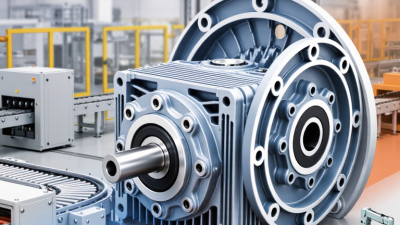
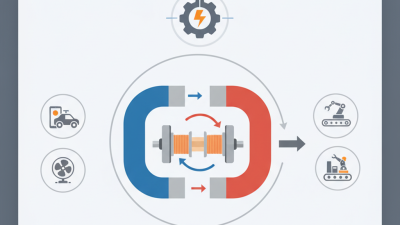
A worm motor combines an electric motor with a worm screw and a toothed wheel, usually transferring power through a right-angle drive. As the screw turns, its threads push against the wheel’s teeth. This reduces output speed while increasing available torque, though friction means some input energy becomes heat. The actual output depends on the gear ratio, motor rating, and operating conditions.

Worm drives can run smoothly and fit into compact spaces. Their sliding contact, however, creates more friction than many other gear arrangements. Housing temperature, lubricant condition, and load therefore matter during regular operation. A worm drive may resist back-driving, but it is not automatically a reliable holding brake. That distinction is easy to overlook. For selection, check rated torque, speed, duty cycle, mounting position, and the manufacturer’s thermal limits. Reversing loads or frequent starts can change performance, so real operating tests are useful.

Tips: Match the lubricant to the specified gear design, and inspect for leaks or unusual noise. Allow for heat during continuous use. A compact unit may look right on paper, yet still run too hot under a real load.

Main Worm Motor Types for Different Industrial Applications

2026 Top Worm Motor Types for Global Buyers

Main Worm Motor Types for Different Industrial Applications

Worm motors vary by shaft design, housing, braking needs, and operating environment. Choosing the type before checking the motor’s power rating can prevent costly installation problems.

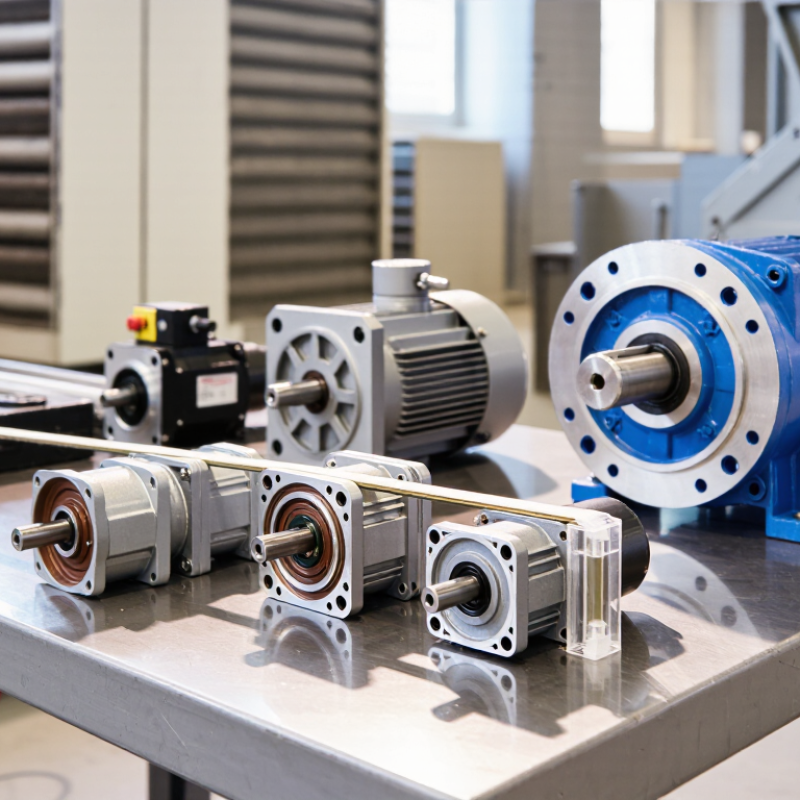
A solid-shaft worm motor suits conveyors, mixers, packaging equipment, and gate mechanisms. Its exposed output shaft supports flexible coupling options and handles many standard layouts. A hollow-shaft model mounts directly onto a driven shaft, saving space and reducing alignment work. This design is common in compact conveyors, indexing tables, and small material-handling systems. A brake worm motor adds controlled stopping for lifts, positioning equipment, and inclined conveyors. It can improve safety, but brake response and heat buildup require careful testing.

For wet rooms, washdown areas, or corrosive production lines, a sealed or corrosion-resistant housing may be more suitable. Compact worm motors fit tight machinery frames, though their smaller size can limit continuous torque and cooling. Heat changes everything. In field inspections, I have seen undersized units run quietly at first, then overheat during long shifts. Buyers should compare duty cycle, output speed, starting torque, mounting position, noise, and service access. The perfect choice rarely exists; compromises must be documented.

Tips: Confirm the required torque at the output shaft, not only the motor input power. Check lubricant compatibility, ambient temperature, and shaft dimensions. Request performance data under real load conditions. Keep it practical.

2026 Top Worm Motor Types for Global Buyers

This chart shows ideal output speeds calculated from a 1,500 rpm, four-pole motor at 50 Hz. Actual speeds are usually slightly lower because of motor slip. Solid-shaft, hollow-shaft, and flange-mounted worm gearmotors are common configurations; choose between them based on installation layout, required speed, and torque.

Key Performance Factors: Torque, Speed, Efficiency, and Load Capacity

2026 Top Worm Motor Types for Global Buyers

Key Performance Factors: Torque, Speed, Efficiency, and Load Capacity

Worm motor selection in 2026 depends on working conditions, not appearance or price alone. Common types include cylindrical, single-enveloping, and double-enveloping designs. Cylindrical units suit compact machinery and moderate torque demands. Double-enveloping models can offer stronger load contact, but they often need tighter alignment and better maintenance. Check the ratio carefully. A higher ratio may increase torque while reducing output speed and efficiency.

Torque should match both starting and running loads. Short-term starting torque can exceed the continuous rating by a wide margin. Speed also changes heat generation, noise, and service life. Measure efficiency at the actual operating load, not only from a catalogue value. Lubricant viscosity matters. So does ambient temperature.

Load capacity includes radial force, axial force, shock, and repeated stopping. A conveyor may appear steady but create sudden impacts during jams. Thermal limits are easy to underestimate. An overloaded worm motor can feel acceptable during a brief test, then overheat after several hours. That is the difficult part. Careful sizing can still miss real duty cycles. Leave practical margin, but avoid excessive oversizing, which may increase cost, starting current, and mechanical stress. Field checks should record temperature, vibration, noise, and output speed after extended operation.

2026 Top Worm Motor Types for Global Buyers — Key Performance Factors: Torque, Speed, Efficiency, and Load Capacity
Worm Motor Type Typical Ratio Range Approx. Output Speed Typical Efficiency Torque and Load Capacity Common Applications Key Selection Consideration
Single-Start, Single-Stage About 10:1–100:1 About 15–150 rpm with a 1,500 rpm input, depending on ratio Approximately 30–70% Available across a wide range of frame sizes; select by rated output torque and service factor. Conveyors, mixers, packaging machinery, and general industrial drives Offers high reduction in one stage. Higher ratios generally mean lower efficiency and greater heat generation.
Multi-Start, Single-Stage About 5:1–60:1 About 25–300 rpm with a 1,500 rpm input, depending on ratio Approximately 50–90% Torque capacity depends on gear size, materials, lubrication, and thermal rating; check the manufacturer’s rating for the duty cycle. Power transmission where higher efficiency or faster output is required More starts can improve efficiency and output speed, but typically provide less reduction per stage.
Two-Stage Worm Gear About 100:1–3,600:1 About 0.4–15 rpm with a 1,500 rpm input, depending on ratio Approximately 20–65% overall Can deliver very low-speed, high-reduction output; allowable torque is limited by gear strength and heat dissipation. Slow-turning equipment, indexing systems, and applications needing very high reduction Two worm stages compound losses and heat. Confirm thermal capacity for continuous operation.
Double-Enveloping Worm Gear Commonly about 10:1–100:1 About 15–150 rpm with a 1,500 rpm input, depending on ratio Often approximately 50–85%, depending on design and operating conditions Designed for substantial tooth contact; actual torque and shock-load limits must be checked against the specific unit rating. Heavy-duty positioning, lifting mechanisms, and demanding industrial drives Can provide high load capacity in a compact arrangement, but alignment, lubrication, and cost are important considerations.
Hollow-Shaft Worm Geared Motor Commonly about 5:1–100:1 About 15–300 rpm with a 1,500 rpm input, depending on ratio Typically similar to the underlying worm gear design and ratio Output torque follows the gearbox rating; verify shaft, keyway, and mounting limits as well as radial and axial loads. Conveyors, rotary equipment, and installations requiring direct mounting on a driven shaft Hollow-shaft construction simplifies mounting, but the driven shaft and support arrangement must handle the applied loads.

Data note: Figures are indicative engineering ranges, not guaranteed ratings. Output speed estimates assume a 1,500 rpm input and are calculated from the stated ratio range. Efficiency, rated torque, allowable radial or axial load, and thermal capacity vary with frame size, materials, lubrication, mounting position, duty cycle, and operating temperature. Worm gearing should not be assumed to be self-locking; verify holding requirements with the specific design.

Comparing Materials, Configurations, and Mounting Options

For global buyers, compare worm motors by their materials, output arrangement, and mounting before choosing by price. A hardened steel worm paired with a bronze wheel is common for steady, quiet operation. The wheel material affects wear, noise, lubrication needs, and service life.

Aluminum housings are lighter and shed heat well, while cast iron offers rigidity but adds weight. Polymer wheels may reduce noise, yet temperature and load limits need careful checking. There is no universal best material.

Configurations change how a motor fits the machine. A solid output shaft suits couplings; a hollow shaft can connect directly to a driven shaft and save space. Single-stage units offer compact reduction, while additional stages can provide lower speed and higher output torque, usually with added losses.

Small detail. Big consequence.

Foot mounts are straightforward on flat frames, while flange mounts suit face-mounted equipment. Check shaft orientation, access for maintenance, and the maker’s permitted mounting positions. Lubricant distribution can vary with orientation, and a neat drawing does not always reveal service access. Compare rated torque, duty cycle, and thermal data under the actual load, not just catalogue figures.

How Global Buyers Can Select the Right Worm Motor in 2026

Selecting the right worm motor in 2026 starts with the load, not the catalog image. The IEA’s Energy Efficiency 2024 report estimates that electric motor systems consume about half of global electricity. Efficiency deserves attention. However, a highly efficient motor can still fail when its gearbox ratio, duty cycle, or heat dissipation is wrong.

Define the required output torque, speed, operating hours, and starting frequency. For conveyors, mixers, and positioning equipment, check the service factor against real shock loads. A 30-minute duty rating may not suit continuous production. It sounds obvious. Many selections still overlook ambient temperature and mounting direction.

For indoor, steady-load equipment, a standard worm motor may offer compactness and useful self-locking behavior. Do not assume self-locking is guaranteed. Vibration, lubrication, and back-driving torque can change performance. Choose sealed protection for washdown areas, and confirm the enclosure rating with the supplier.

The U.S. Department of Energy’s motor-system guidance notes that motor-driven equipment can represent nearly 70% of industrial electricity use in the United States.

That makes lifecycle energy cost more important than purchase price alone. Compare efficiency, replacement access, lubricant requirements, and expected service hours. A small calculation error can become a large operating expense. Check the actual duty profile before approving the final model.