How to Choose the Best Motor Micro for Your Business Needs?
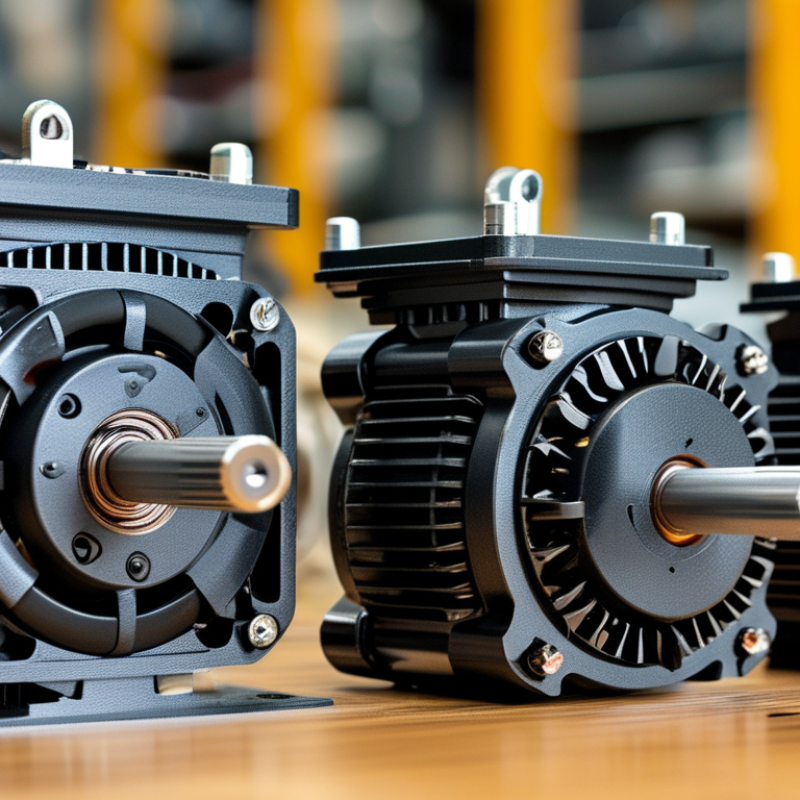
Choosing the right Motor Micro for your business can be overwhelming. The market is filled with varied options, making the decision process complex. Each Motor Micro has unique features that serve different purposes, affecting performance and efficiency in your operations.
Understanding your specific business needs is crucial. Consider factors like power requirements, size constraints, and application type. Not all Motor Micros are created equal. Some may seem appealing at first glance but may not meet your long-term goals. Misjudging these aspects can lead to costly mistakes.
Take the time to research. Consult with experts, and test different models when possible. Customer reviews and case studies are valuable resources. They help you see how others have successfully chosen their Motor Micros. Learning from their experiences can guide you towards a more informed decision.
Understanding Motor Micro Types and Their Applications
When selecting a motor micro, it's crucial to understand the different types and their applications. The market offers various options, including stepper motors, servo motors, and brushed DC motors. Each type has distinct advantages suited for specific tasks. For instance, stepper motors are excellent for precise control in robotics. They are widely used in 3D printers and CNC machines. In fact, reports indicate that stepper motor applications grew by approximately 8% last year.
Servo motors provide high precision and speed. These are crucial in manufacturing and automation. Their closed-loop control system enhances performance. The global market for servo motors is projected to reach $11 billion by 2025, signifying their demand. However, professionals must consider the costs. While servo motors are efficient, they often require a higher initial investment compared to other options.
Understanding the conditions each motor type works best in is essential. Factors like load, speed, and environment can influence efficiency. For example, brushed DC motors perform well in low-cost applications, but their lifespan may shorten due to brush wear. Choosing the right motor micro involves evaluating these details critically. Addressing common misconceptions about each type also helps make informed decisions.
Assessing Your Business Needs for Motor Micro Solutions
When assessing your business needs for motor micro solutions, it’s vital to analyze specific requirements. Start by identifying the operational tasks your motors must handle. Consider factors like torque, speed, size, and environmental conditions. Research suggests over 70% of businesses often overlook the importance of these parameters, leading to inefficient motor choices.
Tip: Create a detailed checklist outlining your motor specifications. This can include temperature ranges, load requirements, and power supply types. Accurate specifications can guide your decision-making process significantly.
Another factor to consider is energy efficiency. According to industry reports, energy-efficient motors can reduce energy costs by up to 30%. Evaluate how motor efficiency aligns with your sustainability goals. However, don’t neglect the initial investment costs versus long-term savings.
Tip: Calculate the total cost of ownership, which includes installation, maintenance, and operational expenses. This will provide a clearer picture of the motor's value over time.
Remember, engaging with engineers or motor specialists can provide insights that are essential for your decision. Their expertise might help you avoid common pitfalls. Understanding your exact needs can lead to smarter, more sustainable choices.
Evaluating Performance Factors of Motor Micros
When evaluating performance factors for motor micros, consider several key metrics. Efficiency is paramount. According to the U.S. Department of Energy, optimizing efficiency can yield energy savings of up to 30%. This impacts operational costs significantly, especially for high-use applications. Look for motors with high efficiency ratings to maximize return on investment.
Torque output is another critical factor. The right torque ensures your application runs smoothly without stalling. A report from the International Electrotechnical Commission indicates that improper torque selection can reduce motor lifespan and performance. Therefore, accurately assess your operational requirements before making a decision.
Tips: Always prioritize energy efficiency in your selection. A small change can result in substantial savings over time. Verify torque specifications against your equipment’s needs. Seeking expert advice can prevent costly mistakes, especially in complex applications. Pay attention to the thermal performance of the motor. Overheating can lead to malfunction and increased maintenance costs. Evaluate cooling features to ensure durability.
In summary, paying close attention to these performance factors will position your business for long-term success. Be prepared to revisit your choices for opportunities to improve efficiency and performance continually.
Comparing Cost-Effectiveness of Different Motor Micro Options
When it comes to selecting a motor micro for your business, cost-effectiveness should be a primary concern. Various options can dramatically impact both upfront costs and long-term efficiency. The right choice hinges on your specific applications and the operational environment. Some models may be cheaper initially, but could lead to higher maintenance costs over time.
Tips: Evaluate your operational needs clearly. Consider the load requirements and duty cycles. This will help you identify models that balance cost with performance. Explore various suppliers to find the most competitive prices. However, keep in mind that the lowest price doesn't always mean the best value.
As you explore options, reflect on your long-term goals. Choosing a motor micro that meets today’s requirements is essential, but anticipate future demands as well. Will your current choice still suffice in a year or two? Look for products that offer scalability. Balancing initial investment with future readiness can yield significant savings down the road.
Identifying Reliable Suppliers and Support Services for Motor Micros
When selecting motor micros for your business, finding reliable suppliers is crucial. The right supplier can provide not only quality products but also expert guidance. Look for suppliers with a proven track record. This includes years of experience in the industry. Read reviews and seek testimonials from other businesses. A trustworthy supplier will be open about their sourcing and production processes.
Support services are another vital aspect. Consider the technical assistance you might need after your purchase. A good supplier should offer post-sales support. This can involve installation guidance or troubleshooting assistance. Evaluate the channels of communication available. Quick response times indicate a supplier's commitment to customer satisfaction. Also, ensure they provide accessible service options, be it online, via phone, or on-site.
Reflect on your specific needs. It is helpful to have questions ready when engaging with suppliers. Inquire about customization options, warranty details, and maintenance services. This can lead to better long-term partnerships. Don’t hesitate to discuss your project requirements in detail. Assessing both product quality and service reliability will help you make a more informed decision.