Why is Motor Rotor Essential for Efficient Machinery Operations?
The Motor Rotor plays a pivotal role in the efficiency of machinery operations. This component transforms electrical energy into mechanical energy, acting as the heart of electric motors. According to a 2022 report by the International Electromechanical Association, over 50% of industrial electricity consumption is linked to motor systems. This statistic highlights the importance of optimizing motor performance.
Motor Rotors contribute directly to operational efficiency and sustainability in manufacturing. A well-designed rotor can reduce energy losses significantly, enhancing overall productivity. However, the industry often overlooks regular maintenance of motor rotors. A 2020 study showed that neglecting rotor upkeep could result in energy inefficiencies of up to 30%. Hence, ensuring rotor health is crucial for achieving sustainability goals.
In an era where energy costs are rising, focusing on the Motor Rotor's function is more vital than ever. Investment in advanced rotor technologies can lead to effective machinery operations. Industry leaders must prioritize rotor performance to maintain a competitive edge. As businesses strive for efficiency, the Motor Rotor remains a key focus area, prompting ongoing reflection and improvement efforts.
The Role of Motor Rotors in Machinery Efficiency
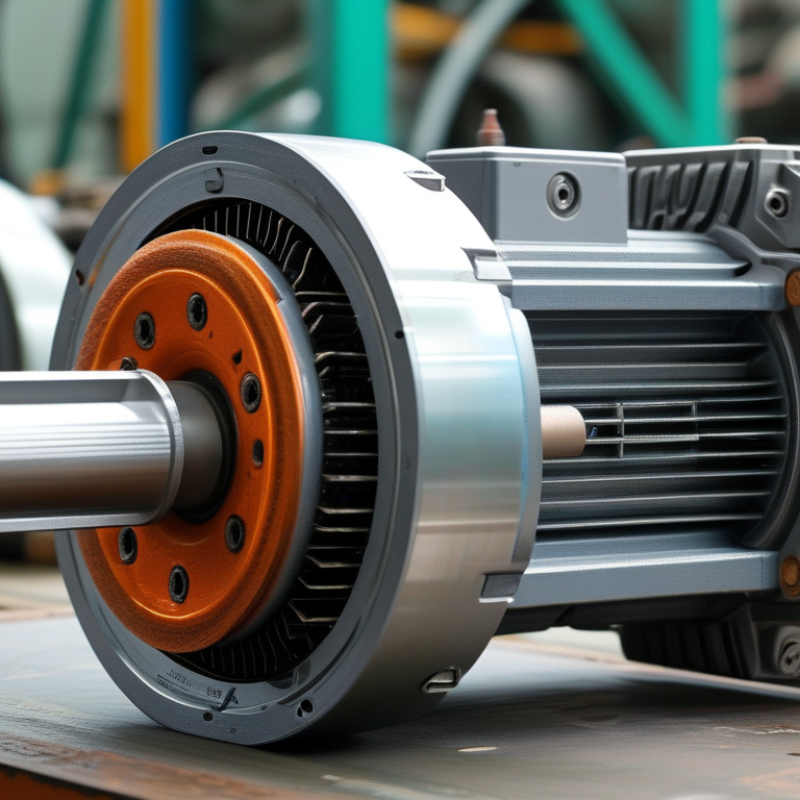
Motor rotors play a critical role in the efficiency of machinery operations. They are integral components in electric motors, influencing how effectively machines perform. A well-designed rotor can enhance torque, reduce energy loss, and improve overall performance. If the rotor is not functioning properly, the machinery can suffer from reduced output and wasted energy.
Tips: Regularly inspect motor rotors for wear. Look for signs of overheating or damage. Keeping rotors clean can improve efficiency.
The efficiency of machinery depends on the rotor's design and material. High-quality materials can minimize friction and wear. This translates to better energy utilization. However, cheap alternatives might save costs initially but lead to long-term inefficiencies. It is essential to choose the right rotor that matches your machinery's requirements.
Tips: Consider the operational load while selecting rotors. Ensure they are compatible with the machinery for optimal performance. This can prevent unnecessary breakdowns.
Investing in the right motor rotor can yield significant benefits. It not only enhances efficiency but also ensures longevity for the machinery. Periodic evaluations can also catch issues before they escalate. A focus on rotor performance is key to maintaining smooth operations.
Understanding the Functionality of Motor Rotors in Equipment
Motor rotors are critical components in many types of machinery. They transform electrical energy into mechanical energy. This process is vital for equipment efficiency. In industrial applications, motor rotors can account for up to 70% of total operational costs. This statistic emphasizes their importance in maintaining economic efficiency.
The functionality of motor rotors is complex. They work in tandem with stators to create motion. The design of a rotor impacts torque output considerably. For instance, rotors with high rotor inertia perform better under varying load conditions. This means they can adapt quickly, enhancing performance. Reports indicate that optimized rotor designs can improve machinery efficiency by 10-15%.
However, challenges exist. Overheating can significantly affect rotor performance. This can lead to motor failure, causing costly downtime. Industries often overlook the need for regular monitoring and maintenance. Such oversights can diminish the overall reliability of machinery. Improving rotor efficiency is a continuous learning process. Addressing these gaps will help enhance operational effectiveness.
Factors Impacting the Performance of Motor Rotors
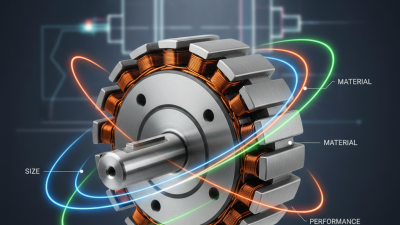
Motor rotors play a significant role in the performance of machinery. Their efficiency directly affects the overall operation of various equipment. Several factors influence motor rotor performance, including material composition, design, and operational conditions. A study by the International Electrotechnical Commission highlights that rotor efficiency can impact energy consumption by up to 10% in industrial applications.
Material selection is critical. High-quality materials can improve conductivity and reduce energy losses. For example, copper-based rotors show a 15% increase in efficiency compared to aluminum counterparts. However, a trade-off exists between cost and performance. Some manufacturers opt for less expensive materials, leading to increased wear and lower overall efficiency.
Design also plays a pivotal role. Rotor geometry can affect airflow and heat dissipation. Manufacturers are exploring advanced designs to enhance thermal management. However, certain designs can complicate manufacturing processes. This complexity might result in inconsistencies in production quality. As a result, it’s crucial to analyze and refine existing designs continually. Only through innovation can efficiency be maximized, ensuring that motor rotors effectively meet the demands of modern machinery.
Factors Impacting the Performance of Motor Rotors
| Factor |
Impact on Performance |
Optimal Range |
Notes |
| Material Quality |
Affects strength, durability, and efficiency |
High-grade steel, copper |
Use corrosion-resistant materials for longevity |
| Weight Balance |
Determines smooth operation and vibration levels |
Maximum 0.5% imbalance |
Regular balancing can prevent premature wear |
| Core Design |
Impacts electromagnetic efficiency and torque |
Optimal lamination thickness 0.35mm |
Improves overall machinery responsiveness |
| Cooling Mechanism |
Prevents overheating and ensures longevity |
Effective airflow + heat dissipation |
Consider liquid cooling for high-performance applications |
| Speed Ratings |
Directly affects energy consumption and output |
1000-3000 RPM for most applications |
Higher speeds need better materials |
Common Applications of Motor Rotors in Various Industries
Motor rotors play a crucial role in various industries, serving as the heart of electric motors. Their efficiency directly impacts machinery operations, from automotive to manufacturing. According to a report by the International Electrotechnical Commission (IEC), motor rotors account for nearly 30% of energy losses in electric motors. Optimizing rotor design can significantly enhance performance and energy efficiency.
In the automotive industry, rotors are essential for electric vehicles (EVs). As EV popularity grows, the demand for high-efficiency rotors has surged. A study by the Department of Energy indicates that improving rotor design can lead to efficiency gains of 10-20%. In manufacturing, rotors facilitate automation in machinery, increasing production rates and reducing operational costs.
Tips: Consider rotor materials carefully. Advanced materials like silicon steel can reduce losses. Regular maintenance is vital. Clean rotors ensure better performance. It’s important to evaluate the specific application needs to choose the right rotor design, as not all designs suit every situation. Balancing efficiency and cost in rotor selection requires ongoing assessment, as priorities shift in different operational contexts.
Maintenance Practices for Enhancing Rotor Efficiency in Machinery
Regular maintenance of motor rotors plays a vital role in ensuring the efficiency of machinery operations. Keeping rotors clean is essential. Dust and debris can accumulate on the rotor’s surface, leading to overheating and energy loss. Conducting routine checks can help identify any imbalances or misalignments early. These issues can negatively affect performance and lifespan.
Proper lubrication is another key practice. Lubricants reduce friction, enhancing rotor movement. However, applying too much oil can lead to pooling and attract more dirt. Regularly inspecting the lubrication condition can prevent this problem. It's also important to monitor wear and tear. Rotors with chipped or damaged surfaces can cause vibrations. This not only affects efficiency but may also result in costly repairs.
Operators should be aware of the warning signs. Unusual noises or changes in performance often indicate rotor issues. Addressing these signs promptly can prevent major breakdowns. Documenting maintenance practices can contribute to better understanding, though it requires discipline. Continuous improvement in maintenance strategies can lead to enhanced rotor efficiency over time.