Small Motor Tips for Efficient Sourcing and Usage Guide?
In the fast-evolving world of small motors, efficient sourcing and usage have become vital. According to Alex Johnson, a small motor industry expert, "Understanding the right applications can maximize performance." His insights highlight a crucial aspect of small motor selection and implementation.
The small motor sector is diverse. It requires careful consideration for various applications. From robotics to household appliances, each motor serves unique needs. Sourcing these components demands diligence. Quality matters. A poorly chosen small motor can lead to inefficiencies and increased operational costs. Reflecting on industry trends is essential to avoid common pitfalls.
The expertise in small motors extends beyond mere selection. Users must understand the nuances of installation and maintenance. Opting for the best supplier can make a significant difference. Yet, many underestimate the importance of ongoing support and service. Thoughtful reflection on these practices ensures a reliable small motor application that meets user demands.

Overview of Small Motors in Various Applications
Small motors are vital components in various applications, ranging from household appliances to industrial machinery. Their compact size allows them to fit into tight spaces, making them ideal for intricate designs. For instance, in robotic systems, small motors drive precise movements. In electric toothbrushes, they enable efficient cleaning in a tiny package.
Understanding different motor types can enhance sourcing decisions. Brushless motors offer longevity and efficiency, but their initial cost may be higher. In contrast, brushed motors can be found in many affordable devices but may require more frequent replacements. Evaluating both types based on the intended use is crucial.
Selection is not just about size and efficiency. It’s essential to consider specific application needs. For example, noise levels are a concern in residential areas. A motor that’s too loud can disrupt daily life. Testing these motors in real applications reveals potential flaws. Frequent feedback from users can lead to unexpected insights into motor performance. These reflections are vital for continuous improvement in design and functionality.
Overview of Small Motors in Various Applications
Factors to Consider When Sourcing Small Motors
When sourcing small motors, several key factors must be carefully evaluated. Efficiency is a priority; data from the International Electrotechnical Commission indicates that energy-efficient motors can save up to 20% in operational costs. Understanding the specific requirements of your application is crucial. This includes load characteristics, speed, and torque requirements. A mismatched motor can lead to inefficiencies or failures.
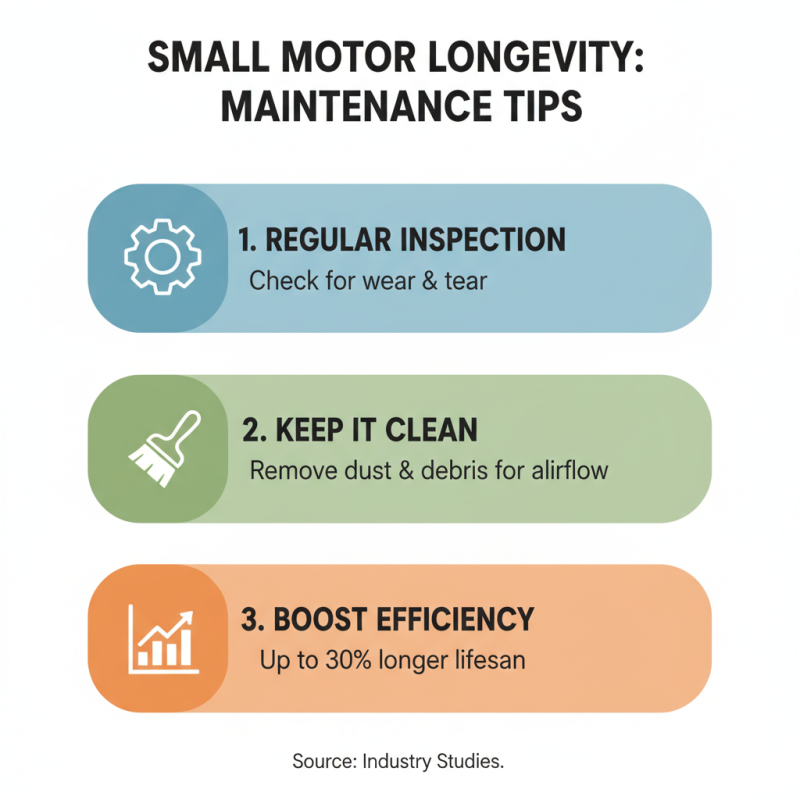
Size and weight are also important considerations. Smaller motors can offer flexibility in compact spaces. However, they may sacrifice some power. It’s essential to assess the trade-offs based on your project's needs. Additionally, look into the motor's lifespan and maintenance requirements. Industry studies show that motors properly maintained can have a lifespan of over 15 years. Poor maintenance can lead to early failures, which complicate sourcing efforts.
Lastly, consider the supplier’s reliability. Choose suppliers with a proven track record. Engage with those who provide thorough technical support and documentation. This ensures that you can effectively integrate the motors into your systems. Pay attention to potential supply chain disruptions. They can impact availability and pricing. Emphasizing these factors will lead to more effective sourcing and optimal use of small motors.
Best Practices for Efficient Small Motor Usage
Efficient small motor usage is essential for enhancing performance and longevity. Start by selecting the right motor type for your application. Consider factors such as load capacity and speed. An improper match can lead to inefficiency and premature failure.
Regular maintenance is crucial. Check for wear and tear on components. Dust and debris can hamper performance. Timely cleaning can prevent small issues from escalating. Make it a habit to conduct periodic inspections. Keep track of any abnormalities in performance, as they could signal a need for adjustments.
Lastly, do not overlook the importance of proper installation. Misalignment can lead to excessive strain on the motor. Even small errors can cause significant operational issues. It’s worth seeking expert advice if unsure about installation. This can save time and resources in the long run.
Troubleshooting Common Issues with Small Motors
Troubleshooting small motors can save time and resources. Common issues often stem from improper sourcing or usage. According to a recent industry report, over 30% of motor failures are linked to electrical problems. These can include issues like voltage drops or incorrect amperage. Inspecting connections and ensuring they meet specifications is essential.
In addition, mechanical failures can occur. For instance, misalignments in assembly contribute to wear and tear. A study shows that nearly 25% of failures arise from misaligned components. Regularly checking the alignment can enhance motor lifespan. Specific attention should be given to bearings, as they experience high friction levels.
Also, overheating can lead to diminished performance. Maintaining an optimal operating temperature is crucial. Reports indicate motors can lose 10% efficiency for every 10°C increase above the recommended threshold. Evaluating the cooling methods and environments is vital. Proper ventilation and periodic maintenance checks can prevent significant issues.