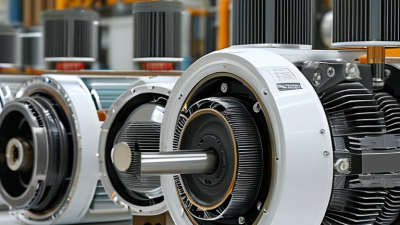
Top 10 AC Motor Manufacturers for Global Buyers
Choosing an Ac Motor manufacturer involves more than comparing headline prices. Global buyers must weigh efficiency, build quality, delivery options, and dependable technical support. A motor that performs well in a factory near the supplier may face different demands in a humid plant, dusty workshop, or remote mine. Operating conditions matter.
This guide introduces ten manufacturers serving buyers across international markets. It offers a starting point, not a universal ranking: product ranges, regional availability, and service capabilities can change over time. The right supplier depends on the application, required output, installation environment, and local maintenance resources. Check details closely. A catalog may list rated power, frame size, and efficiency, yet leave questions about lead times, spare parts, or commissioning support unanswered.
Buyers can use the comparison to prepare practical questions. Does the manufacturer offer the required voltage and mounting arrangement? Can it provide test documentation and clear specifications? Are replacement components accessible where the motor will operate? These details can affect downtime as much as the nameplate rating. Not always obvious. Even well-known brands may not be the best fit for every project, and a lower-cost option may require more support than expected. Verify current product information directly with each supplier before making a purchase decision.
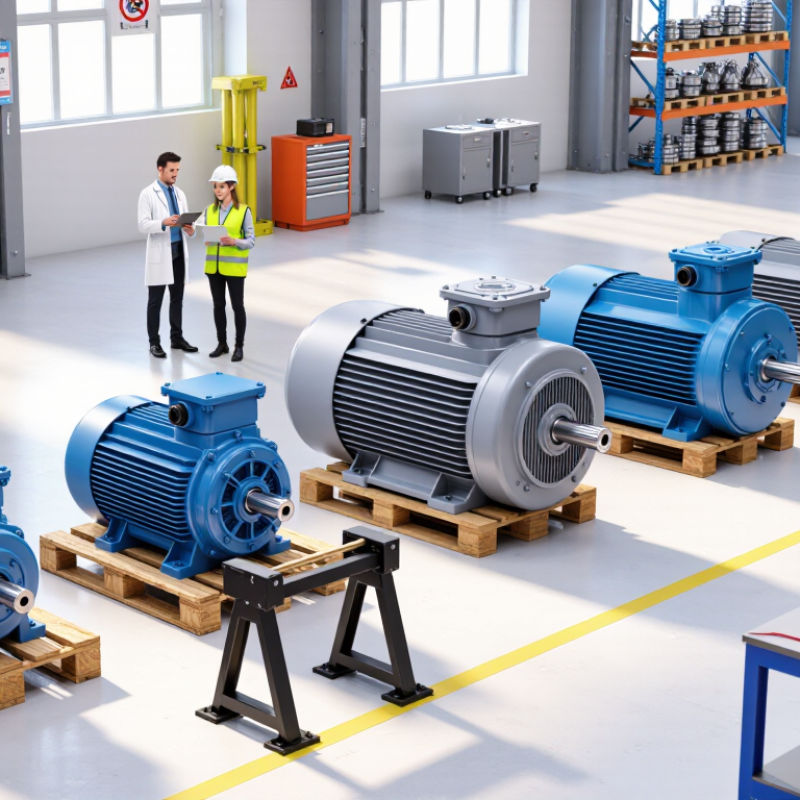
Understanding AC Motors and Their Role in Industry
An AC motor converts alternating electrical energy into rotation, driving pumps, fans, compressors, and conveyor rollers. In many plants, it runs for hours behind a guard or inside a machine housing. Its basic job sounds simple. The operating conditions are not. Supply frequency, voltage, load, and cooling affect speed, torque, and temperature. A pump motor, for example, may face changing loads as flow requirements shift during a workday. Correct sizing starts with the actual duty cycle, not just the largest figure on a nameplate.
Induction motors are common in industry because they are sturdy and relatively straightforward to operate. They are not maintenance-free. Bearings need inspection, and blocked ventilation can raise motor temperature. Heat matters. Variable-frequency drives can adjust motor speed to suit a process, but the motor and drive must be matched properly. A specification sheet alone cannot predict every site condition, such as dust buildup or repeated starts. That detail is easy to underestimate. Useful checks include listening for new vibration, noting unusual warmth, and comparing energy use over time. Even a well-selected motor may perform poorly if its load or cooling conditions change after installation.
Key Criteria for Evaluating Global AC Motor Manufacturers
A capable AC motor manufacturer should provide more than a catalogue and a low quotation. Check whether its stated voltage, frequency, output, enclosure rating, and mounting dimensions match your application. Ask for test records covering efficiency, temperature rise, vibration, and noise. Clear, traceable results matter. A motor that runs quietly on a test bench may behave differently under continuous load or in a hot, dusty plant.
Review the manufacturer’s quality controls, technical support, and ability to maintain consistent specifications across repeat orders. Request drawings and confirm shaft dimensions, bearing details, insulation class, and cooling method before approving production. Ask how changes are documented and how faults are investigated. Certifications can support an evaluation, but their scope and relevance should be checked for the product and destination market. A polished audit checklist is useful, though it cannot replace careful review of sample data and real operating conditions.
Tips: Share your load profile, duty cycle, ambient temperature, and installation limits. Compare like-for-like test conditions, not just headline efficiency figures. Keep one awkward question in the review: what happens if the motor overheats during a typical shift? That answer can reveal gaps worth discussing.
Top 10 AC Motor Manufacturers for Global Buyers
A useful Top 10 AC motor manufacturers list should help global buyers compare capability, not just name recognition. Motor selection starts with the actual duty: continuous or intermittent operation, expected load, supply frequency, voltage, and ambient temperature. A unit that looks right on a quotation can still run hot in a dusty workshop or struggle with frequent starts. Details matter.
Compare documented efficiency, enclosure protection, insulation class, and mounting dimensions. Check that the proposed motor matches the driven equipment and site conditions. Ask for test reports, dimensional drawings, and clear warranty terms. Small details count. A mismatched shaft height can delay installation, while unclear lead times can disrupt a production schedule. Suppliers should explain these risks plainly, rather than relying on broad performance claims.
For international purchases, review export packaging, spare-part availability, technical support, and the standards relevant to the destination market. Request comparable quotations with the same operating assumptions; otherwise, price differences may be misleading. Factory audits or sample inspections can add useful evidence, though they do not guarantee long-term reliability. There is no perfect ranking. Buyers may give too much weight to price, and I would revisit that choice when downtime costs more than the initial saving.
Comparing Manufacturers by Technology and Applications
For global buyers, an AC motor shortlist should begin with the driven equipment, not a catalogue ranking. The IEA’s 2011 analysis estimated that electric motor-driven systems use about 46% of global electricity. That makes efficiency more than a nameplate detail. For pumps and fans running long hours, compare induction motors by efficiency class, load profile, and compatibility with variable-speed drives. The IEC 60034-30-1 standard defines efficiency classes from IE1 to IE4 for covered motor types. Check the exact scope before comparing figures.
Applications point to different strengths. Synchronous and permanent-magnet designs can suit compact, speed-controlled machinery, while robust induction motors remain common in conveyors, compressors, and general industrial service. For precision equipment, review speed range, torque response, and encoder options. For harsh sites, ask about enclosure protection, insulation, ambient temperature, and service access. A rating alone cannot predict performance. Not always.
Technical data should be matched against the actual duty cycle and local support. The U.S. Department of Energy’s motor systems guidance stresses system-level efficiency, including drives and mechanical loads; an efficient motor may save little if a pump is badly matched. Request test conditions, efficiency certificates, spare-part lead times, and commissioning support. Then compare lifecycle cost, not just purchase price. Specifications can look tidy on paper; field conditions rarely do. I would also leave room for uncertainty when operating data is incomplete.
Choosing a Manufacturer for Your Operational Needs
Choosing an AC motor manufacturer starts with the conditions on your site, not a catalog headline. Record the load, operating hours, start frequency, supply voltage, and ambient temperature. A motor running beside a hot, dusty conveyor may need a different enclosure and cooling method than one in a clean workshop. Small details matter. Ask whether the quoted motor suits continuous or intermittent duty, and request test data for the specified configuration.
Tips: Share a real load profile, not just the machine’s rated power. Confirm shaft dimensions, mounting, insulation class, protection rating, and expected delivery time. Ask how replacement bearings and other service parts are supplied. Get answers in writing.
A capable manufacturer should explain its selection assumptions and identify what it has not verified. That is useful experience, not hesitation. Compare efficiency at your likely operating load, not only at peak rating. Review inspection records, routine test procedures, and technical support arrangements before ordering. If the application is unusual, request a sample calculation or engineering review. I would still allow time for a site check; specifications can miss vibration, voltage dips, or frequent starts that only appear in daily operation.