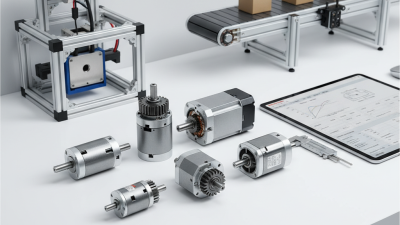
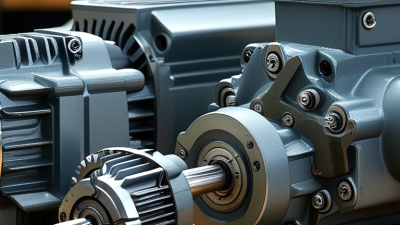
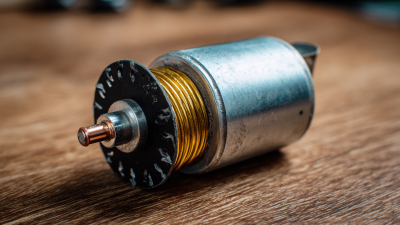
Choosing a geared motor for an international project is rarely a simple catalog decision. A unit may look suitable on paper, then struggle when a conveyor starts under a full load or runs for long shifts. Buyers need to match output speed, torque, duty cycle, mounting position, and power supply to the actual machine. Small details matter. A shaft diameter mismatch can delay installation, while an unclear service factor can distort sizing. Gearedmotor selection should begin with measured operating conditions, not a guess based on horsepower alone.
Global sourcing adds another layer. Product drawings, test reports, packing details, lead times, and after-sales support all affect the purchase. Ask suppliers to confirm the exact model code and configuration in writing. Check whether the stated efficiency, noise level, and protection rating apply to the offered unit, rather than a similar model. It sounds obvious, but specifications are sometimes copied between product pages. That deserves a second look.
The ten tips in this guide help buyers compare offers consistently, from application data and gear type to materials, quality checks, and supplier communication. They also explain what to clarify before requesting a quotation: load profile, starts per hour, ambient temperature, installation space, and expected maintenance access. Bring a sketch or a few clear photos. That helps.
No checklist can replace engineering review when loads are unusual or safety-critical. Still, a disciplined buying process can reduce avoidable surprises, such as a motor that fits the frame but misses the required speed. Use the guidance as a practical starting point, then verify critical values with the manufacturer. Some questions may feel repetitive. Ask them anyway; the cost of an assumption can be higher than the cost of a careful email.
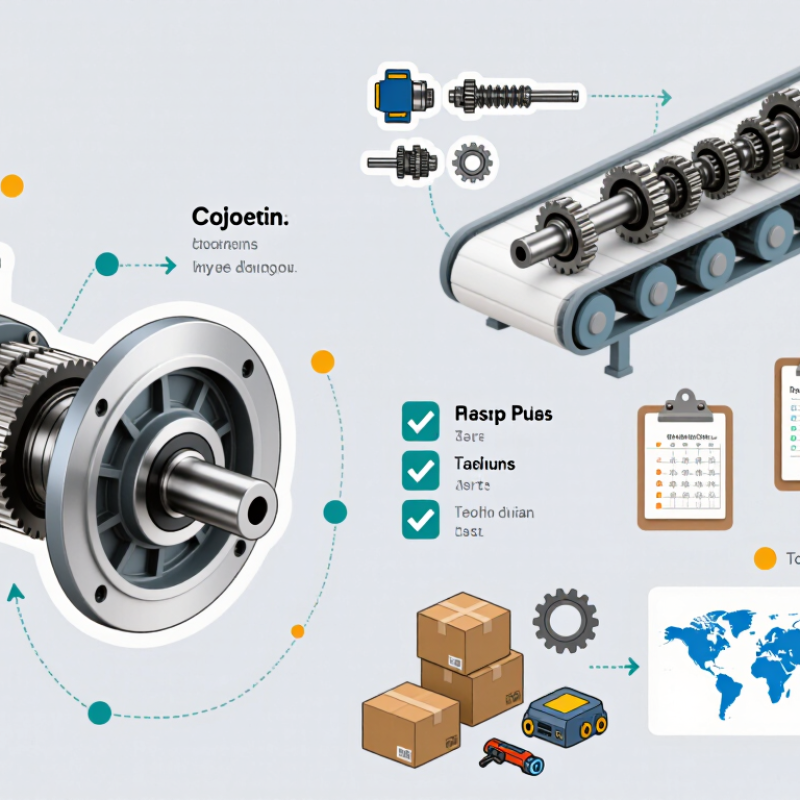
Before comparing geared motors, define the machine’s actual task. Record the required output speed, estimated torque, and load type. Is the load steady, or does it include sudden starts, jams, or frequent reversals? A conveyor carrying evenly spaced cartons has different demands from a mixer handling changing material levels. Small details matter.
Check the operating pattern. Note hours per day, starts per hour, and whether the motor runs continuously or in short cycles. Also record the available power supply, mounting position, shaft direction, and space around the unit. Heat, dust, moisture, and limited airflow can affect performance and service life. Be specific.
Estimate peak loads, not only normal loads. A rough estimate is better than assuming the load never changes, but it should be verified against machine data or measurements. Ask the supplier to review torque, speed, duty cycle, and any needed service factor together. A larger motor is not automatically safer; poor matching can waste energy or create excess heat. If requirements are uncertain, state that clearly and test under realistic conditions before final selection.
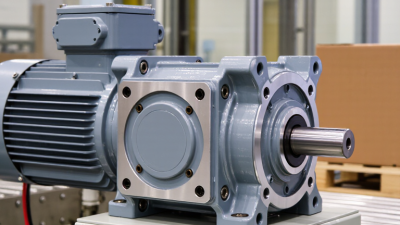
A geared motor should match the machine’s load, speed, and operating pattern. Spur gearmotors are often economical for straightforward drives, while helical designs typically run more smoothly. Worm gearmotors can offer compact right-angle arrangements, but efficiency and heat depend on the design. Planetary types suit applications needing high torque in a small package. Check the manufacturer’s data sheet for permitted loads and duty limits. Small details matter.
Tips: Compare output speed and torque at the actual operating point, not just the motor’s maximum rating. A 30:1 ratio does not guarantee a particular output speed under load. Ask for rated torque, service factor, and duty cycle. Also verify shaft orientation and mounting dimensions before ordering.
Performance ratings need context. A motor rated for intermittent service may overheat during continuous operation, even if its torque looks sufficient. Consider starts per hour, ambient temperature, and expected load changes. For example, a conveyor carrying uneven boxes may need more starting torque than its steady running load suggests. Efficiency figures can also vary with ratio and load, so compare test conditions where available. A neat spreadsheet can still mislead; confirm critical selections with a qualified supplier or engineer.
A geared motor that works well in a clean workshop may struggle beside a washdown line or in a dusty warehouse. Check the actual operating environment, not just the catalog rating. Dust and water protection should match the exposure, while seals, coatings, and materials need to suit cleaning agents or salty air. A higher protection rating is not automatically better; it can affect cooling and cost.
Temperature matters. Measure conditions near the motor, including heat from nearby equipment, and confirm the specified ambient range. For cold sites, ask about lubricant performance at startup. For humid locations, check condensation protection and corrosion resistance. Small details count. I have seen buyers specify the right motor power but overlook a hot enclosure or an outdoor mounting position. That is an easy mistake, and not always easy to fix later.
Global compliance needs the same practical attention. Confirm voltage, frequency, wiring, and applicable safety or efficiency requirements for the destination market. Requirements vary by country and application, so request current test reports, declarations, and installation instructions, then verify them with a qualified local importer or compliance specialist. Keep the documents tied to the exact motor configuration. A certificate for a similar model may not cover different braking, cabling, or mounting options. Leave time for review before shipment; I would not assume a familiar marking answers every local question.
10 Geared Motor Buying Tips for Global Buyers
Evaluate Supplier Quality, Documentation, and Support
A geared motor can match a catalog specification and still disappoint in service. Ask suppliers how they verify torque, noise, temperature rise, and gear backlash. Request test records tied to the specific motor model, not just a generic quality certificate. Numbers need context. Check whether the test conditions resemble your actual load and duty cycle.
Review the documentation before approving a sample. A useful package includes a dimensional drawing, wiring diagram, gear ratio, rated output torque, lubrication guidance, and installation instructions. Confirm that revisions are dated and traceable. This sounds basic, but drawing mismatches can delay mounting or require an avoidable redesign. A polished certificate alone is not proof of consistent production. Ask how incoming parts and finished units are inspected, and whether defects are recorded and corrected.
Support matters after delivery. Ask who handles technical questions, how quickly they usually respond, and whether replacement parts are available. For cross-border projects, clarify communication hours, document language, packaging details, and how troubleshooting is handled remotely. A sample run can reveal gaps that a supplier questionnaire misses. Even a careful review may overlook something; we should admit that. Keep a written list of unresolved points, such as unusual vibration or unclear wiring labels, and request specific answers before placing a larger order.
| No. | Buying Tip | What to Evaluate | Useful Evidence or Questions | Potential Warning Sign |
|---|---|---|---|---|
| 01 | Define the application and duty | Load type, operating hours, starts per hour, ambient conditions, mounting position, and required service life. | Provide a written application brief and ask the supplier to confirm the proposed motor’s suitability for the duty cycle. | A quotation is issued without clarifying the load, operating pattern, or installation conditions. |
| 02 | Check torque, speed, and service factor | Required output speed and torque, gearbox ratio, acceleration needs, and any shock or variable loads. | Request rated output torque, output speed, gear ratio, and the assumptions used for the selection. | Only motor power is compared, with no confirmation that the gearbox output meets the application requirements. |
| 03 | Confirm the electrical supply | Voltage, phase, frequency, motor connection, starting method, inverter use, and local supply conditions. | Check the nameplate data and wiring diagram against the installation supply; clarify whether an inverter-duty option is needed. | Voltage or frequency is described vaguely, or the documentation does not match the ordered configuration. |
| 04 | Assess efficiency and operating cost | Motor efficiency class where applicable, expected operating hours, load profile, and energy costs over the service period. | Ask for efficiency data at the relevant rating and compare total cost of ownership, not purchase price alone. | Efficiency claims are not tied to a rating, test basis, or supporting technical document. |
| 05 | Review gearbox construction and lubrication | Gear type, housing material, lubricant specification, lubrication method, and any installation-position limits. | Request a technical drawing and instructions covering lubricant, filling, maintenance, and permitted mounting positions. | Lubrication requirements or mounting limitations are not stated in the product documents. |
| 06 | Match the environment and protection level | Dust, moisture, washdown, temperature, corrosion exposure, and required enclosure protection. | Confirm the stated IP rating and any coating or material requirements against the actual site conditions. | An enclosure rating is treated as a guarantee of suitability for every outdoor, chemical, or washdown environment. |
| 07 | Verify quality controls and testing | Incoming inspection, production checks, final testing, traceability, and the handling of nonconforming products. | Ask what routine tests are performed and whether a test report or serial-number traceability is available for the order. | Quality claims are broad but the supplier cannot describe inspection stages or provide relevant records. |
| 08 | Check technical documents and compliance | Datasheet, dimensional drawing, wiring diagram, operating manual, declarations, and destination-market requirements. | Request the documents for the exact configuration and verify that ratings and compliance information are consistent. | Documents are missing, outdated, or appear to describe a different motor or gearbox configuration. |
| 09 | Clarify delivery, packaging, and trade terms | Production lead time, shipment method, export packaging, delivery point, customs responsibilities, and order quantity. | Confirm the agreed delivery term, packing details, shipping documents, and how schedule changes will be communicated. | Lead time or delivery responsibilities are left open in the quotation or purchase order. |
| 10 | Evaluate warranty and after-sales support | Warranty coverage, claim procedure, spare-parts availability, technical response times, and troubleshooting support. | Ask for written warranty terms and identify the contact route for installation, commissioning, and service questions. | Support commitments are verbal only, or warranty exclusions and claim steps are unclear. |
Buyer reminder: Confirm all selection details, documentation, delivery terms, and warranty conditions in writing before placing an order.
A low geared motor price can hide costs that appear after the purchase order. Compare the complete landed cost, including packaging, freight, duties, commissioning support, and any required coupling or mounting parts. Ask suppliers to state what their quotation excludes. A motor priced slightly higher may need less adaptation on your line. Small gaps matter.
Check that the quoted ratio, output speed, torque, mounting position, and protection rating match your application. A mismatch can mean extra engineering or a replacement unit. It is easy to focus on the unit price and overlook those costs. I would put each supplier’s assumptions beside the price, even when the comparison feels less tidy.
Delivery promises deserve the same scrutiny. Request a realistic lead time, not just a dispatch date, and confirm whether production, inspection, and export packing are included. For example, a motor needed before a scheduled shutdown may arrive on time but still miss installation if the shipment is delayed in transit. Ask how delays are communicated and whether partial shipments are possible. Then compare warranty length, exclusions, spare-parts availability, and technical response times. A written promise of a quick reply is useful, but a named contact process is better. Check who handles troubleshooting across time zones, and whether replacement parts can be shipped promptly. After-sales terms can be vague. Get them in writing.
Suggested 100-point framework for comparing geared motor quotations. Weights are illustrative, not market statistics; adjust them to your application and verify landed costs, delivery commitments, warranty coverage, and service terms in writing.